Budgeting Strategies for Minimum Wage Earners in the Philippines
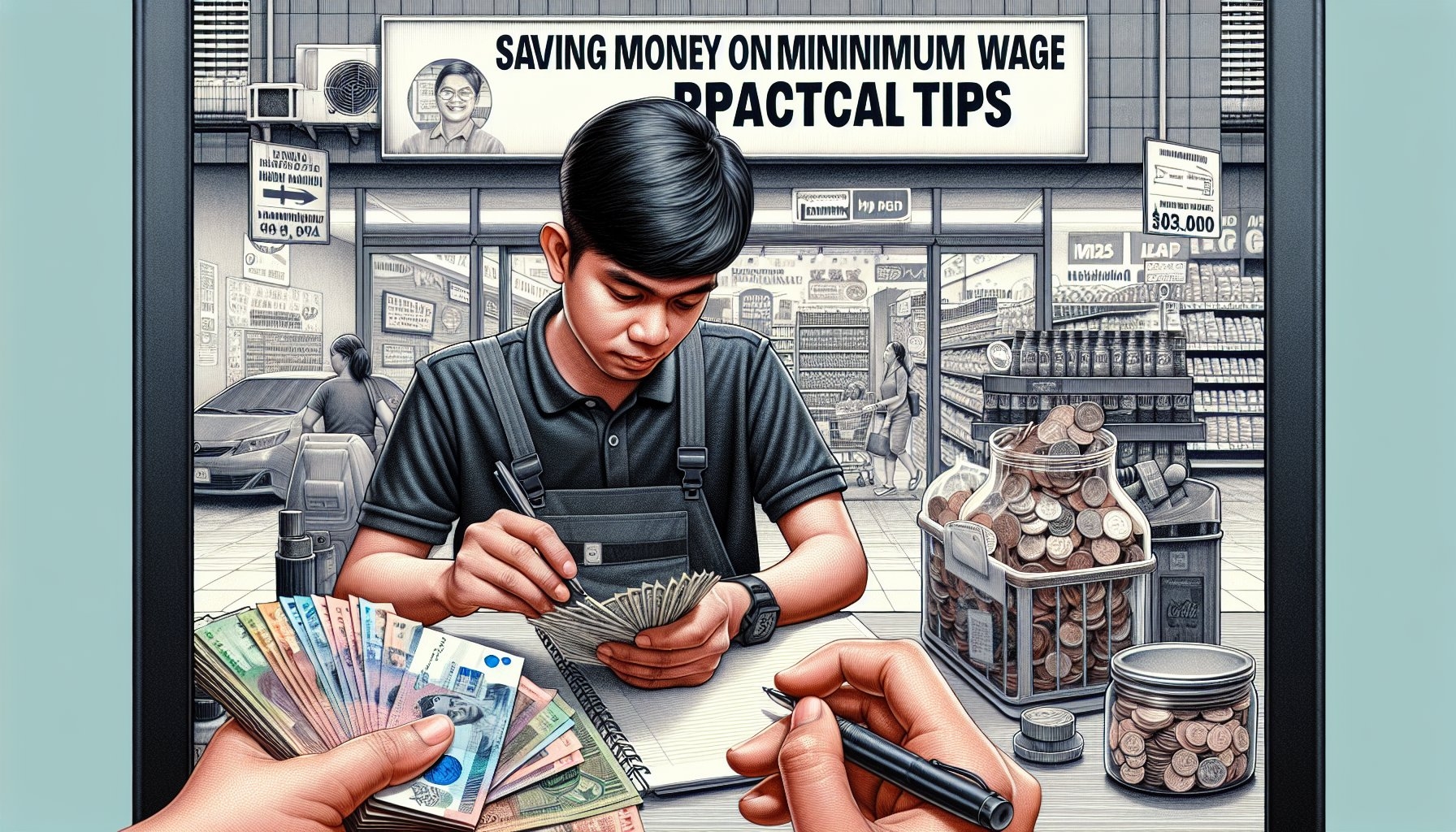
Living on minimum wage in the Philippines requires meticulous budgeting and resourcefulness. The first step towards financial stability is creating a detailed budget. Track every peso spent, using a notebook, spreadsheet, or budgeting app. Categorize expenses into essential (food, rent, transportation, utilities) and non-essential (entertainment, dining out). The 50/30/20 rule – allocating 50% to needs, 30% to wants, and 20% to savings and debt repayment – can be a helpful starting point, but may need significant adjustment for minimum wage earners. Prioritize essential needs and ruthlessly cut down on discretionary spending. Look for free or low-cost alternatives for entertainment, such as visiting parks or attending community events.
Optimizing Food Expenses: Smart Grocery Shopping and Meal Planning
Food often consumes a significant portion of a minimum wage earner’s income. Strategic grocery shopping is crucial. Plan meals for the week and create a shopping list based on the meal plan. Avoid impulse buys by sticking strictly to the list. Buy in bulk when possible, especially for non-perishable items like rice, canned goods, and noodles. Shop at local markets (palengke) rather than supermarkets, as prices are generally lower. Compare prices between different stalls to find the best deals. Consider joining a cooperative (co-op) for access to cheaper groceries.
Embrace home cooking. Eating out is significantly more expensive than preparing meals at home. Batch cooking on weekends can save time and money during the week. Focus on affordable and nutritious ingredients like vegetables, legumes, and locally sourced protein sources. Minimize food waste by properly storing leftovers and utilizing ingredients creatively. Learn to cook simple, budget-friendly Filipino dishes.
Affordable Housing Solutions and Utility Cost Reduction
Housing costs can be a major burden. Consider sharing accommodation with roommates to split rent and utility bills. Explore options outside of central business districts, where rent is typically lower. Prioritize safety and accessibility to public transportation when choosing a location. Negotiate rent with landlords whenever possible.
Implement energy-saving practices to reduce utility bills. Switch to energy-efficient light bulbs (LEDs). Unplug appliances when not in use. Take shorter showers to conserve water. Utilize natural light and ventilation instead of air conditioning whenever possible. Consider using a fan instead of an air conditioner, as it consumes less electricity. Compare electricity providers and choose the most affordable option.
Transportation Cost Minimization: Commuting Strategies
Transportation costs can eat into a tight budget. Utilize public transportation (buses, jeepneys, trains) instead of private vehicles whenever possible. Plan your commute to avoid peak hours when fares are higher. Consider walking or biking for short distances. Explore carpooling options with colleagues or neighbors. Look for discounted transportation cards or passes offered by local governments. If feasible, consider living closer to your workplace to minimize commuting costs.
Healthcare Access and Cost-Effective Medical Solutions
Healthcare is a necessity, not a luxury. Enroll in PhilHealth, the national health insurance program, to access affordable medical care. Take advantage of free healthcare services offered by government clinics and hospitals. Practice preventative healthcare by maintaining a healthy lifestyle through exercise and a balanced diet. Consider purchasing generic medications instead of branded ones, as they are significantly cheaper and equally effective. Explore community health programs that offer discounted or free medical services.
Debt Management and Financial Literacy
Avoid accumulating unnecessary debt. Pay bills on time to avoid late fees. Prioritize paying off high-interest debt first. Consider consolidating debt to lower interest rates. Seek financial literacy education to improve your financial decision-making skills. Many NGOs and government agencies offer free financial literacy workshops. Learn about saving, investing, and managing debt responsibly. Consider starting a small emergency fund to cover unexpected expenses.
Generating Additional Income Streams
Supplementing your minimum wage income with side hustles can significantly improve your financial situation. Explore online freelancing opportunities, such as writing, graphic design, or virtual assistance. Sell handmade crafts or baked goods online or at local markets. Offer tutoring or language lessons. Consider part-time jobs during weekends or evenings. Leverage your skills and hobbies to create additional income streams. Remember to declare any additional income to the Bureau of Internal Revenue (BIR) to avoid penalties.