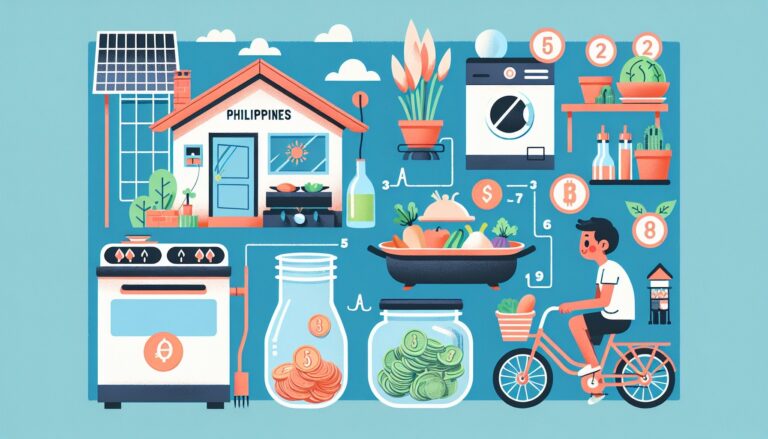
Frugal Living Philippines: Save Money & Thrive in 2024
The Philippines, with its vibrant culture and stunning landscapes, offers a unique backdrop for a frugal lifestyle. While the cost of living can be relatively low compared to Western countries, strategic money management is crucial for long-term financial well-being. This guide explores practical strategies for embracing frugal living in the Philippines in 2024, allowing you to save money and thrive.
Mastering the Art of Budgeting:
The cornerstone of any frugal lifestyle is a well-defined budget. Start by tracking your income and expenses. Utilize budgeting apps like Money Manager Expense & Budget or create a simple spreadsheet to categorize your spending: housing, food, transportation, utilities, entertainment, and debt repayment. Analyze your spending patterns and identify areas where you can cut back. The 50/30/20 rule – allocating 50% of your income to needs, 30% to wants, and 20% to savings and debt repayment – provides a solid framework. Prioritize essential expenses and critically evaluate discretionary spending.
Smart Grocery Shopping & Meal Planning:
Food often constitutes a significant portion of household expenses. Implement smart grocery shopping habits. Create a weekly meal plan based on ingredients you already have and what’s on sale. Shop at local markets (“palengke”) for fresh produce, often significantly cheaper than supermarkets. Buy in bulk when possible for non-perishable items like rice, beans, and canned goods. Minimize eating out, opting instead for home-cooked meals. Learn to prepare simple, healthy, and affordable Filipino dishes like adobo, sinigang, and tinola. Embrace leftovers and repurpose them into new meals. Consider growing your own vegetables in a small garden or even in pots on your balcony.
Transportation Hacks for Savings:
Transportation costs can quickly add up, especially in urban areas. Public transportation, such as jeepneys, buses, and trains, offers a cost-effective alternative to private vehicles. Consider biking or walking for short distances, promoting both physical health and financial savings. If you own a car, practice fuel-efficient driving techniques, like avoiding rapid acceleration and maintaining proper tire pressure. Explore carpooling options with colleagues or neighbors. Regularly compare gasoline prices at different stations to find the best deals. For longer distances, book flights or bus tickets in advance to take advantage of early bird discounts.
Housing & Utility Cost Optimization:
Housing is often the largest expense. Consider downsizing to a smaller apartment or house. Explore living in less expensive neighborhoods or sharing accommodation with roommates. Negotiate rent with your landlord. Reduce utility consumption by switching to energy-efficient appliances and light bulbs (LEDs). Unplug appliances when not in use to minimize phantom energy drain. Conserve water by taking shorter showers and fixing leaky faucets. Take advantage of natural light and ventilation to reduce the need for artificial lighting and air conditioning. Compare electricity providers and consider switching to one with lower rates.
Entertainment on a Budget:
Entertainment doesn’t have to break the bank. Take advantage of free activities like visiting parks, beaches, and museums (some offer free admission days). Explore hiking trails and enjoy the natural beauty of the Philippines. Host potlucks or game nights with friends instead of going out to restaurants or bars. Utilize free online resources for entertainment, such as streaming services (with free trials or shared subscriptions) and libraries (for books and movies). Look for discounted movie tickets or attend matinee showings. Engage in hobbies that don’t require expensive equipment or materials.
Debt Management Strategies:
High-interest debt can significantly hinder your financial progress. Prioritize paying off high-interest debts like credit card balances. Consider debt consolidation or balance transfers to lower interest rates. Create a debt repayment plan and stick to it. Avoid taking on new debt unless absolutely necessary. Negotiate with creditors to lower interest rates or payment amounts. Explore options for debt counseling or financial assistance if you are struggling to manage your debt.
Embracing a Mindset of Frugality:
Frugal living is not about deprivation; it’s about making conscious spending choices and prioritizing your financial goals. Develop a mindset of intentionality and value. Question every purchase and ask yourself if it’s truly necessary. Embrace the concept of “enough” and resist the pressure to keep up with the latest trends. Focus on experiences and relationships rather than material possessions. Cultivate gratitude for what you already have. By adopting a frugal mindset, you can save money, reduce stress, and create a more fulfilling life in the Philippines.