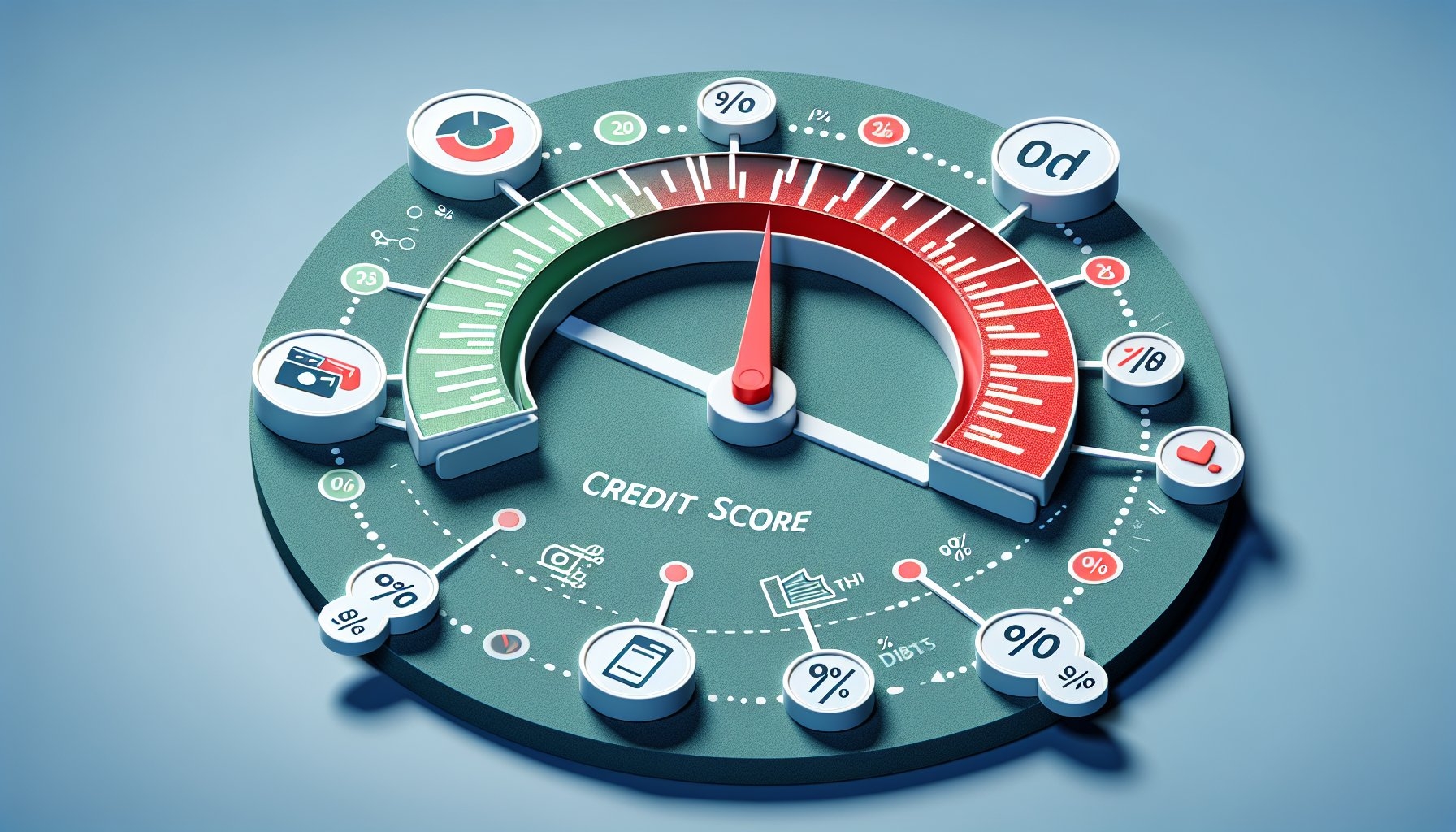
Payment History: The Foundation of Your Creditworthiness
Your payment history is the single most influential factor determining your credit score, typically accounting for around 35% of your FICO score. Lenders want to see a consistent track record of on-time payments, demonstrating your reliability in repaying debts. This includes credit cards, loans (student, auto, personal), mortgages, and even utility bills if they’ve gone to collections.
Late payments, even by just a few days, can negatively impact your score. The severity of the impact increases with the lateness of the payment (30 days late is worse than a few days late) and the frequency of late payments. A single missed payment can stay on your credit report for up to seven years, though its impact diminishes over time.
Setting up automatic payments or reminders can be an effective strategy to ensure timely payments. Regularly reviewing your credit report for any errors or inaccuracies related to payment history is also crucial. Dispute any discrepancies immediately with the credit bureau and the creditor.
Amounts Owed: Utilization Rate and Debt Burden
The amount of debt you owe, often referred to as your credit utilization ratio, contributes significantly to your credit score, typically around 30% of your FICO score. This ratio is calculated by dividing your total credit card balances by your total credit card limits.
A high credit utilization ratio indicates that you’re heavily reliant on credit, which can raise concerns for lenders. Aim to keep your credit utilization below 30%. Ideally, keeping it below 10% is even better. For example, if you have a credit card with a $1,000 limit, try to keep your balance below $300, and even better, below $100.
Beyond credit card utilization, lenders also consider your overall debt burden. This includes the total amount of debt you owe across all accounts, including loans and mortgages. A high debt burden can negatively impact your score, even if you’re making all your payments on time. Consider focusing on paying down high-interest debt to improve your utilization and overall debt burden.
Length of Credit History: A Sign of Stability
The length of your credit history, typically accounting for about 15% of your FICO score, reflects the amount of time you’ve been using credit. A longer credit history generally indicates greater stability and predictability to lenders.
This factor takes into account the age of your oldest account, the age of your newest account, and the average age of all your accounts. Opening too many new accounts in a short period can lower your average account age and negatively impact your score.
Even if you have limited credit history, it’s important to avoid closing old accounts, even if you’re not using them. Keeping these accounts open helps maintain a longer credit history and can improve your score. However, be sure to use them occasionally to prevent them from being closed due to inactivity.
Credit Mix: Demonstrating Responsible Credit Management
Your credit mix, accounting for around 10% of your FICO score, refers to the types of credit accounts you have, such as credit cards, installment loans (e.g., auto loans, student loans), and mortgages. Having a diverse mix of credit accounts can demonstrate to lenders that you can manage different types of debt responsibly.
While having a diverse credit mix can be beneficial, it’s not necessary to take out loans you don’t need just to improve your credit score. Focus on managing your existing credit accounts responsibly and diversifying your credit mix naturally over time.
New Credit: Tread Carefully
New credit, accounting for about 10% of your FICO score, refers to recently opened credit accounts and hard inquiries on your credit report. Applying for too many credit accounts in a short period can negatively impact your score, as it may indicate financial instability or a higher risk of default.
Each time you apply for credit, the lender will typically perform a hard inquiry on your credit report. While a single hard inquiry has a minimal impact, multiple inquiries within a short period can lower your score.
Be mindful of how often you apply for credit and avoid applying for multiple accounts at the same time. Rate shopping for loans, such as mortgages or auto loans, within a short period (typically 14-45 days, depending on the scoring model) is usually treated as a single inquiry, so you can shop around without significantly impacting your score.