Understanding the Debt Snowball Method: A Step-by-Step Example
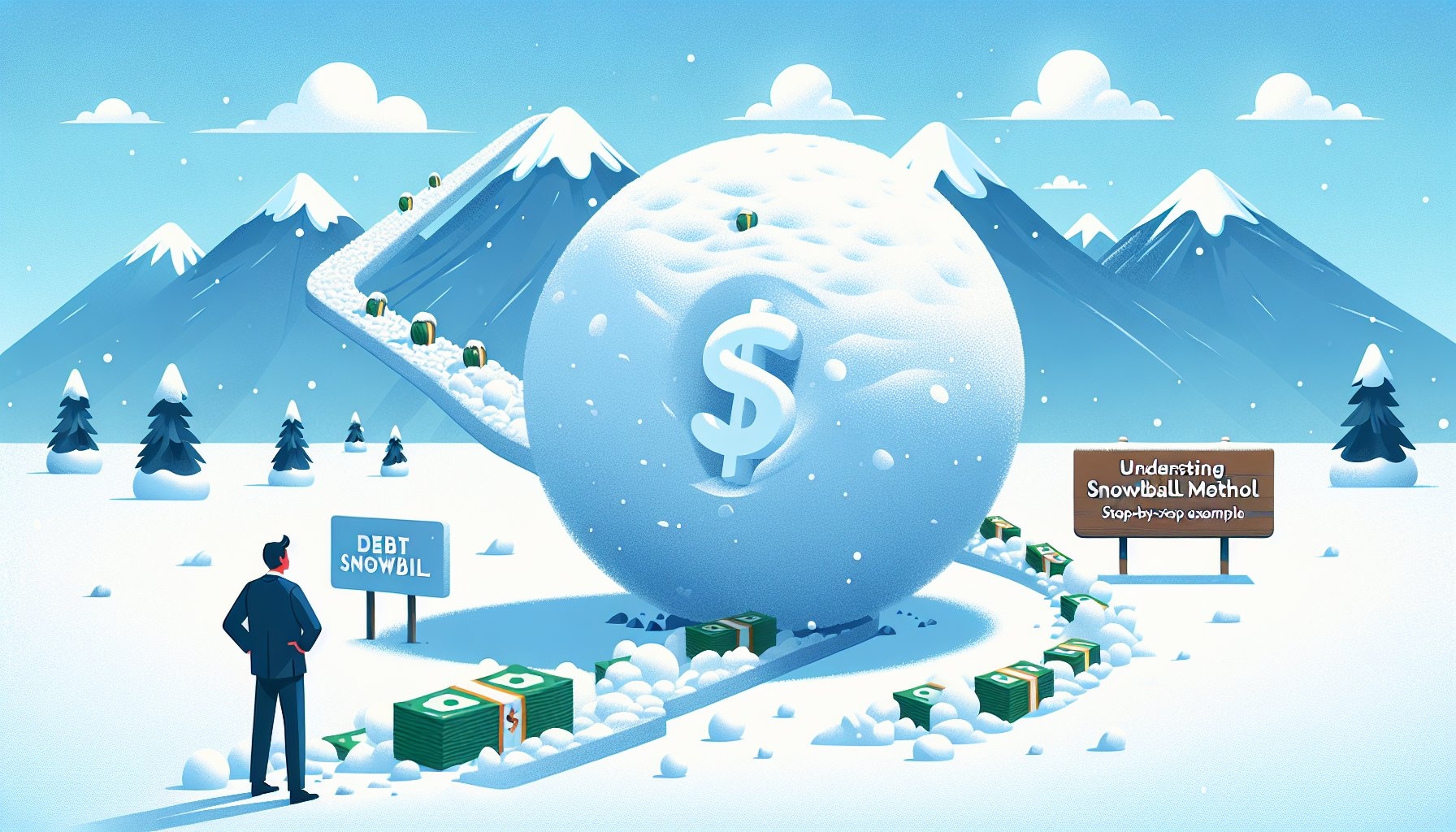
The Debt Snowball Method is a popular debt repayment strategy that emphasizes psychological wins. Developed by financial expert Dave Ramsey, this method allows individuals to tackle their debts in a structured manner, providing motivation along the way. To effectively utilize this method, you need clear insights into its principles, benefits, and a step-by-step approach.
Step 1: List Your Debts
Begin by compiling a comprehensive list of all your debts. This list should include the creditor, total amount owed, minimum monthly payment, and the interest rate for each debt. For example:
- Credit Card A: $3,000 at 18% (Minimum payment: $100)
- Credit Card B: $1,500 at 16% (Minimum payment: $50)
- Personal Loan: $5,000 at 10% (Minimum payment: $150)
- Car Loan: $12,000 at 5% (Minimum payment: $300)
Step 2: Organize by Balance
Once your debts are listed, organize them from smallest to largest balance. This is crucial because the Debt Snowball Method focuses on gaining momentum by paying off smaller debts first, leading to psychological satisfaction. Based on the example above, the organization looks like this:
- Credit Card B: $1,500
- Credit Card A: $3,000
- Personal Loan: $5,000
- Car Loan: $12,000
Step 3: Create a Budget
Next, develop a monthly budget that details your income and essential expenses. Identify how much money you can allocate towards debt repayment after covering necessary costs. Suppose your budget allows an extra $400 monthly for debt repayment.
Step 4: Start Repaying
Focus on making minimum payments on all debts except for the smallest balance. In this scenario, you will target Credit Card B first. With a minimum payment of $50, you will direct the remaining money ($350) towards this debt.
- Total payment towards Credit Card B: $50 (minimum payment) + $350 (extra payment) = $400
- You will pay off Credit Card B in 4 months (
$1,500 ÷ $400 = 3.75 months, rounded up to 4).
Step 5: Celebrate Small Wins

Once you’ve paid off Credit Card B, celebrate this victory. Acknowledging the achievement can provide the motivation needed for your following steps. This acknowledgment is essential in keeping you emotionally invested in your financial journey.
Step 6: Move to the Next Debt
After eliminating Credit Card B, shift your focus to Credit Card A. Now, you can add the payment amount from the paid-off debt to your existing payment plan.
- New payment toward Credit Card A: $100 (minimum payment) + $400 (amount previously for Credit Card B) = $500
- Pay Credit Card A: $3,000 ÷ $500 = 6 months.
Step 7: Continue the Cycle
Repeat the process for the following debts. Once Credit Card A is paid off in 6 months, move on to the Personal Loan with a payment of $650 ($150 minimum + the whole amount directed towards Credit Card A).
- Pay Personal Loan: $5,000 ÷ $650 = 7.7 months, rounded to 8 months.
Step 8: Tackle the Final Debt
Finally, focus on the Car Loan with its higher balance. By this point, your monthly payment towards the car loan will increase significantly because you’ll be applying the $650 from the personal loan, along with the car’s minimum payment.
- Total payment toward Car Loan: $300 (minimum payment) + $650 = $950.
Calculate the duration: $12,000 ÷ $950 = 12.6 months, rounded to 13 months.
Conclusion: Tracking Progress and Adjusting
While implementing the Debt Snowball Method, regularly review your budget and progress. If financial circumstances change, adjust your payments while staying committed to the overall strategy. Keeping emotions in check, prioritizing victories, and remaining disciplined in adherence to this method enables efficient debt management.
By following these well-defined steps, you can systematically eliminate debts, boost your confidence, and significantly enhance your financial well-being while achieving the ultimate goal: financial freedom.