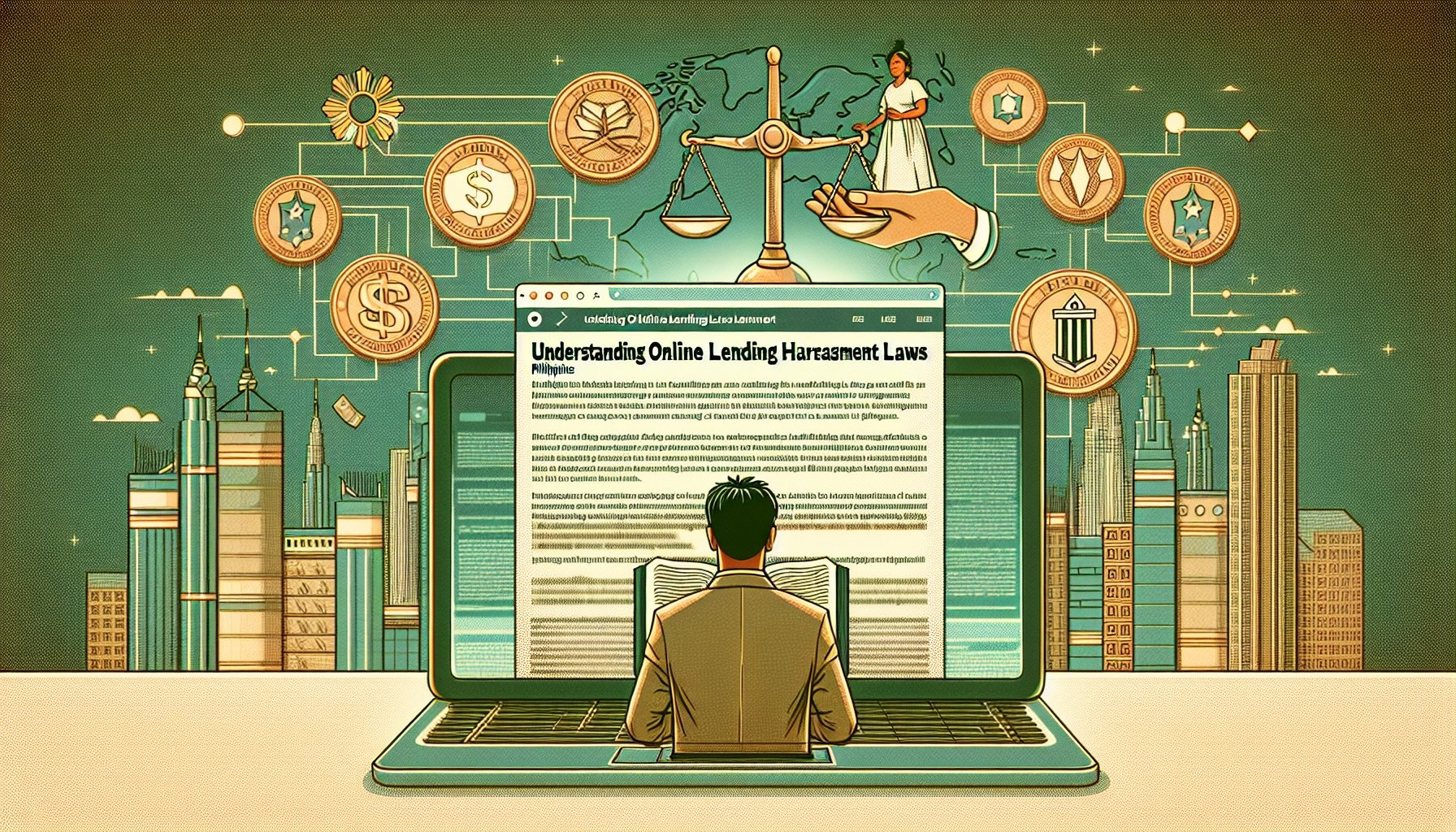
Online lending has gained significant traction in the Philippines, offering quick access to funds for many. However, this growth has also resulted in an alarming increase in complaints regarding harassment from lenders, particularly those operating outside of regulatory oversight. Understanding the legal landscape of online lending harassment is crucial for borrowers to protect their rights.
What Counts as Harassment?
Harassment in the context of online lending refers to aggressive, threatening, or excessive communication from lenders or their representatives to borrowers regarding repayments. This includes persistent phone calls, text messages, and social media messages that instill fear or anxiety. The Anti-Cybercrime Law of the Philippines provides a legal framework to address such issues, mandating that lenders uphold ethical practices in their collections.
Legal Provisions Against Harassment
-
Data Privacy Act (DPA) – Republic Act No. 10173: This law regulates the processing of personal information in the country. Under the DPA, borrowers have the right to consent to the sharing of their data. Harassment often involves unauthorized access or sharing of personal details, which can be prosecuted under this law.
-
Consumer Act of the Philippines – Republic Act No. 7394: This act protects the rights of consumers against exploitative business practices. It prohibits unfair and deceptive practices, enabling borrowers to file complaints against lenders who engage in harassment.
-
Revised Penal Code: Borrowers can also find refuge under provisions for grave threats (Article 282) and other crimes against personality. This could apply when lenders use intimidation or threats regarding debts.
Steps to Take if You Experience Harassment
-
Document Everything: Keep thorough records of all interactions with lenders, including dates, times, and the nature of communications. This documentation will be vital if you need to escalate your complaint.
-
File a Complaint with the Securities and Exchange Commission (SEC): If a lender is unregistered or violating lending regulations, you can report them to the SEC. They have jurisdiction over lending companies and can take disciplinary actions.
-
Lodge a Complaint with the National Privacy Commission (NPC): If personal data misuse or harassment arises from the processing of your information, the NPC can investigate and impose penalties.
-
Seek Legal Advice: Contact a legal professional experienced in consumer law or digital rights. They can help navigate your options in pursuing a case or seeking mediation.
Avoiding Predatory Lending Practices
Understanding your rights is the first step toward avoiding falling victim to predatory lending practices. Before taking a loan, consider the following:
-
Check Lender’s Credentials: Ensure the lender is registered with the SEC. This can help you avoid rogue lenders who operate without oversight.
-
Understand Loan Terms: Be cautious of loans with unreasonable interest rates, hidden fees, and penalties. Read all terms carefully before agreeing.
-
Limit Sharing of Personal Information: Only provide personal details necessary for the loan process and be suspicious of lenders who request excessive personal information.
Resources for Borrowers
-
Consumer Protection Groups: Organizations like the Department of Trade and Industry (DTI) offer resources and support for consumers facing aggressive tactics from lenders.
-
Legal Assistance Organizations: Various nonprofits in the Philippines focus on legal aid for low-income individuals. They can provide guidance on filing complaints or taking legal action.
-
Online Forums and Community Groups: Engaging with others who have had similar experiences can provide insights and emotional support.
The Role of Social Media in Addressing Harassment
Social media platforms have emerged as significant channels for borrowers to voice their complaints against lenders. Many have turned to forums or publicly expressed their experiences, drawing attention to unethical practices. While caution is vital to avoid further harassment, legitimate complaints can compel regulators to take action.
Conclusion: Empowering Borrowers
As the online lending industry grows, so does the need for awareness of borrowers’ rights. By understanding the legal frameworks protecting against harassment, documenting experiences, and utilizing available resources, borrowers can better navigate their financial ecosystems and stand against unfair lending practices. It is crucial to advocate for oneself and take the necessary steps to ensure fair treatment in all financial dealings.