Money-Saving Tips for Filipino Families: Budgeting and Beyond
Filipino families, known for their strong bonds and shared responsibilities, often face the challenge of making ends meet in a fluctuating economy. Effective money management is crucial for securing financial stability and achieving long-term goals. This article provides practical, actionable tips tailored to the Filipino context, going beyond basic budgeting to encompass various aspects of household finances.
Crafting a Realistic Budget: The Foundation for Savings
Budgeting is the cornerstone of financial planning. Begin by tracking your income and expenses for at least a month. Use a notebook, spreadsheet, or budgeting app. Categorize expenses into fixed costs (rent/mortgage, loan payments, utilities) and variable costs (food, transportation, entertainment). Once you understand where your money is going, you can identify areas for reduction.
- The 50/30/20 Rule (Adjusted for Filipino Context): Allocate 50% of your income to needs (housing, food, transportation), 30% to wants (entertainment, dining out, gadgets), and 20% to savings and debt repayment. This is a guideline, adjust percentages based on your individual circumstances. If debt is high, prioritize increasing the savings/debt repayment portion.
- Envelope System: For variable expenses like groceries and transportation, allocate a specific amount in cash to labeled envelopes each month. Once the envelope is empty, you cannot spend any more on that category until the next month. This helps prevent overspending.
- Zero-Based Budgeting: Assign every peso a purpose at the beginning of the month. Income minus expenses should equal zero. This forces you to be intentional with your spending.
- Regular Budget Review: Review your budget weekly or monthly to track progress, identify areas where you’re overspending, and make necessary adjustments.
Smart Grocery Shopping: Maximizing Every Peso
Food is a significant expense for Filipino families. Implementing smart grocery shopping strategies can lead to substantial savings.
- Plan Your Meals: Create a weekly meal plan based on what’s on sale and what you already have in your pantry. This prevents impulse purchases and food waste.
- Make a Grocery List and Stick to It: Avoid wandering aimlessly through the aisles. Stick to your list to prevent impulse buys.
- Buy in Bulk (When Appropriate): For non-perishable items like rice, canned goods, and toiletries, buying in bulk can save money. However, ensure you have adequate storage space and will actually use the items before they expire.
- Shop at Wet Markets (Palengke): Wet markets often offer lower prices on fresh produce, meat, and fish compared to supermarkets.
- Cook at Home More Often: Eating out is significantly more expensive than cooking at home. Prepare your own meals and pack lunches for work and school.
- Reduce Food Waste: Properly store leftovers, repurpose food scraps, and avoid buying more than you can consume.
Transportation Savings: Navigating Commute Costs
Transportation costs can eat into your budget, especially in urban areas.
- Public Transportation: Utilize public transportation options like buses, trains, and jeepneys. Consider purchasing monthly passes for regular commutes.
- Carpooling: Arrange carpools with colleagues or neighbors who live nearby.
- Walking or Biking: If possible, walk or bike for short distances. This is not only cost-effective but also beneficial for your health.
- Consolidate Errands: Group errands together to minimize trips and save on fuel or transportation fares.
- Maintain Your Vehicle: Regularly maintain your car to prevent costly repairs and improve fuel efficiency.
Utilities Management: Reducing Consumption and Costs
Controlling utility consumption is crucial for saving money.
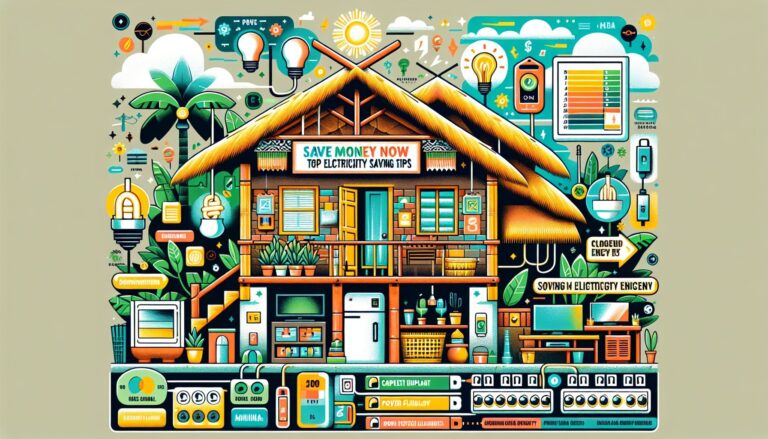
- Conserve Electricity: Turn off lights and appliances when not in use. Use energy-efficient appliances and light bulbs. Unplug electronics when not in use, as they can still draw power.
- Water Conservation: Fix leaks promptly, take shorter showers, and water plants efficiently.
- Compare Utility Providers: Research and compare different utility providers to find the best rates.
- Solar Power (Long-Term Investment): Consider investing in solar panels to reduce your electricity bill in the long run.
Debt Management: Eliminating Financial Burdens
High-interest debt can significantly drain your finances.
- Prioritize Debt Repayment: Focus on paying off high-interest debts first, such as credit card debt and personal loans.
- Debt Consolidation: Consider consolidating your debts into a single loan with a lower interest rate.
- Avoid Unnecessary Debt: Think carefully before taking on new debt.
- Negotiate with Creditors: If you’re struggling to make payments, contact your creditors and try to negotiate a lower interest rate or payment plan.
Entertainment and Leisure: Finding Affordable Fun
Entertainment doesn’t have to be expensive.
- Take Advantage of Free Activities: Explore free activities like parks, museums (on free admission days), and community events.
- Home Entertainment: Enjoy movie nights, board game nights, or potlucks with family and friends.
- Cook Together: Instead of eating out, cook meals together as a family activity.
- Utilize Discounts and Promos: Look for discounts and promotions on entertainment and leisure activities.
By implementing these money-saving tips, Filipino families can improve their financial well-being, achieve their financial goals, and build a more secure future.