Loan Apps Accepting National ID in the Philippines: Your Guide
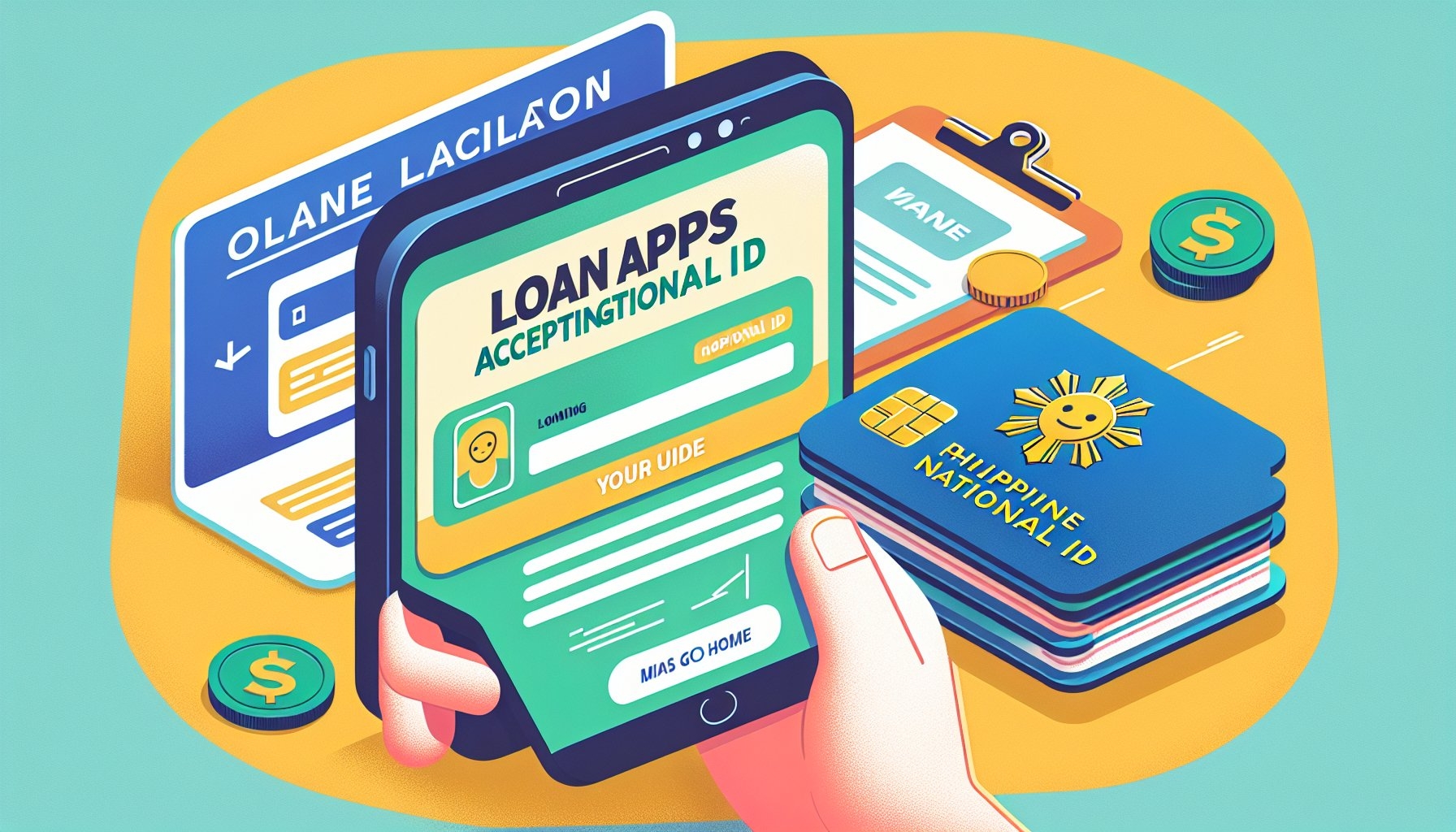
Navigating the world of online lending in the Philippines can be daunting, especially when it comes to identification requirements. Fortunately, the Philippine National ID (PhilID), also known as the Philippine Identification System (PhilSys ID), is increasingly being accepted as a valid primary ID by various loan apps. This simplifies the application process, making financial assistance more accessible to Filipinos. This guide provides a comprehensive overview of loan apps accepting the National ID, the benefits, potential risks, and crucial considerations before applying.
Why the National ID is Gaining Acceptance
The widespread adoption of the National ID by loan apps is driven by several factors. First, the government’s push to promote the PhilSys ID as a universal identification document encourages businesses to integrate it into their systems. Second, the National ID’s enhanced security features, including biometric data and a tamper-proof design, make it a more reliable form of identification compared to traditional IDs. Third, the online verification capabilities associated with the PhilSys ID streamline the identity verification process for loan apps, reducing processing times and improving efficiency.
Loan Apps Currently Accepting National ID (and Alternatives)
While the list of loan apps accepting the National ID is constantly evolving, several prominent players are known to accept it. These include:
- Cashalo: Offers short-term loans with a quick application process. While the National ID is accepted, having other supporting documents like proof of income can strengthen your application.
- JuanHand: Another popular option for quick cash loans. They generally accept the National ID, but it’s always best to check their specific requirements during the application process.
- Tala: Known for its microloans and focus on financial inclusion. They typically accept the National ID as a valid form of identification, along with other required documents.
- Home Credit (Loan Products): If applying for a loan through Home Credit, the National ID is usually accepted. However, requirements may vary depending on the specific loan product.
- Online Lending Platforms (OLPs) like Blend.ph or Vidalia Lending: Many OLPs aggregate multiple lenders, and acceptance of the National ID depends on the individual lender within the platform. Check the specific lender’s requirements carefully.
Important Note: This list is not exhaustive and can change. Always verify the accepted IDs directly on the loan app’s website or application before proceeding. Be prepared to provide alternative IDs (Driver’s License, Passport, Postal ID, etc.) if the National ID is not accepted or if further verification is needed.
Benefits of Using the National ID for Loan Applications
- Convenience: Eliminates the need to gather multiple IDs.
- Faster Processing: Streamlines identity verification, leading to quicker loan approvals.
- Accessibility: Provides access to financial services for individuals who may not possess other forms of valid ID.
- Security: The National ID’s robust security features reduce the risk of identity theft.

Potential Risks and Considerations
- Data Privacy: Ensure the loan app has a clear and transparent data privacy policy to understand how your personal information is being used and protected.
- Interest Rates and Fees: Compare interest rates, fees, and repayment terms across different loan apps before making a decision. Be wary of excessively high interest rates.
- Loan Amounts and Repayment Schedules: Assess your financial needs and ability to repay the loan according to the agreed-upon schedule.
- Reputation and Legitimacy: Research the loan app’s reputation and ensure it is registered and licensed by the Securities and Exchange Commission (SEC) in the Philippines. Check online reviews and feedback from other borrowers.
- Phishing Scams: Be cautious of phishing attempts that may impersonate legitimate loan apps. Never share your National ID details or other sensitive information through unsolicited emails or messages. Always access the loan app directly through its official website or application.
- Over-Reliance on Loans: Avoid becoming overly reliant on loan apps for short-term financial needs. Explore other financial solutions, such as budgeting, saving, and seeking financial advice.
Due Diligence Before Applying
Before applying for a loan through any app, conduct thorough research. Verify the app’s registration with the SEC. Read reviews and testimonials from other users. Understand the terms and conditions of the loan agreement, including interest rates, fees, repayment schedule, and penalties for late payments. Contact the loan app’s customer support if you have any questions or concerns. Use the SEC website to verify the legitimacy of the lending company.
Understanding Loan Terms and Conditions
Pay close attention to the following key aspects of the loan agreement:
- Principal Amount: The actual amount you are borrowing.
- Interest Rate: The percentage charged on the principal amount.
- Fees: Any additional charges, such as processing fees, service fees, or late payment fees.
- Repayment Schedule: The frequency and amount of your payments.
- Total Cost of the Loan: The total amount you will repay, including principal, interest, and fees.
- Penalties for Late Payment: The consequences of failing to make payments on time.
- Default Terms: The actions the lender can take if you default on the loan.
By understanding these terms and conditions, you can make an informed decision and avoid potential financial difficulties.
Conclusion
The acceptance of the National ID by loan apps in the Philippines offers a more convenient and accessible way for Filipinos to access financial services. However, it is crucial to exercise caution, conduct thorough research, and understand the terms and conditions of the loan agreement before applying. By doing so, you can leverage the benefits of online lending while mitigating the potential risks.