1. Assess Your Financial Situation
Before considering any loan, analyze your financial health thoroughly. Calculate your income, expenses, and existing debts. Understanding your cash flow will help determine a realistic borrowing capacity. Use budgeting tools or apps to gain insight into your spending habits, as this can aid in making informed decisions about loan amounts and repayment plans.
2. Research Loan Options
Explore different types of loans to identify which one best suits your needs. From personal loans to payday loans, each has varying terms, interest rates, and purposes. Compare offers from multiple lenders—this includes traditional banks, credit unions, and online lenders. Websites such as Bankrate or LendingTree can help you see the difference in rates and terms available.
3. Read the Fine Print
Before signing any loan agreement, thoroughly read the terms and conditions. Look for hidden fees, such as origination fees, prepayment penalties, or late payment charges. Pay attention to the Annual Percentage Rate (APR), which includes the interest rate and any fees expressed as a yearly cost. Understanding all aspects of the loan is crucial to avoid unexpected costs later.
4. Understand Your Credit Score
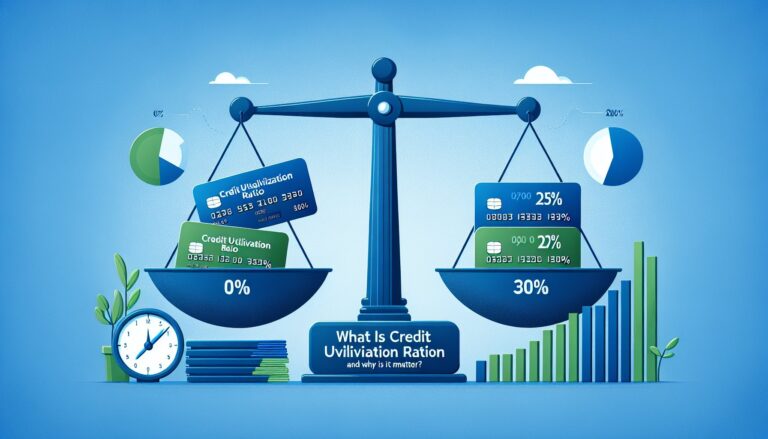
Your credit score significantly influences your loan options and interest rates. A higher score typically means lower interest rates. Obtain a copy of your credit report to check for inaccuracies or overdue accounts. Consider ways to improve your score before applying for a loan. Paying down existing debts, making timely payments, and reducing credit utilization can lead to better loan terms.
5. Avoid Borrowing More Than You Need
One of the common pitfalls in borrowing is taking more than necessary. Calculate the exact amount you need by factoring in your expenses and potential repayment costs. Borrowing excess funds can lead to higher interest payments and make repayment difficult. Stick to your calculated figure to keep your financial decisions on track.
6. Create a Repayment Plan
Having a robust repayment plan is essential. Determine how much you can afford to pay monthly without straining your finances. Factor in potential emergencies by creating a buffer in your budget. Ensure that your plan aligns with your income cycle, so payments can be made consistently. Consider utilizing automatic payments to avoid missed deadlines.
7. Stay Away from Predatory Lenders
Research lenders thoroughly to avoid predatory practices. Predatory lenders often target vulnerable borrowers with high-interest rates and unfriendly terms. Look for reviews and ratings from other borrowers about the lender’s credibility. Regulatory bodies like the Federal Trade Commission (FTC) can provide insights on legitimate lending practices and potential scams.
8. Seek Alternatives to Traditional Loans
If traditional loans present challenges, consider alternative financing options. Peer-to-peer lending platforms, secured loans, or borrowing from family and friends can offer lower interest rates or more favorable terms. Government programs, such as grants or assistance for specific needs, can also provide financial support without the burden of loans.
9. Maintain Open Communication with Lenders
If you encounter difficulties in making payments, reach out to your lender before falling behind. Many lenders are willing to work with borrowers facing financial hardship. Discussing your situation may lead to alternative arrangements, such as deferred payments or a modified loan term. Being proactive can alleviate stress and prevent your account from going into default.
10. Educate Yourself Continuously
Stay updated on financial literacy and loan products. Educate yourself about interest rates, loan terms, and market trends, as ongoing knowledge equips you with tools to make better financial decisions. Attend workshops or read books on personal finance to strengthen your understanding. Knowledge empowers you to navigate the lending landscape and avoid pitfalls effectively.
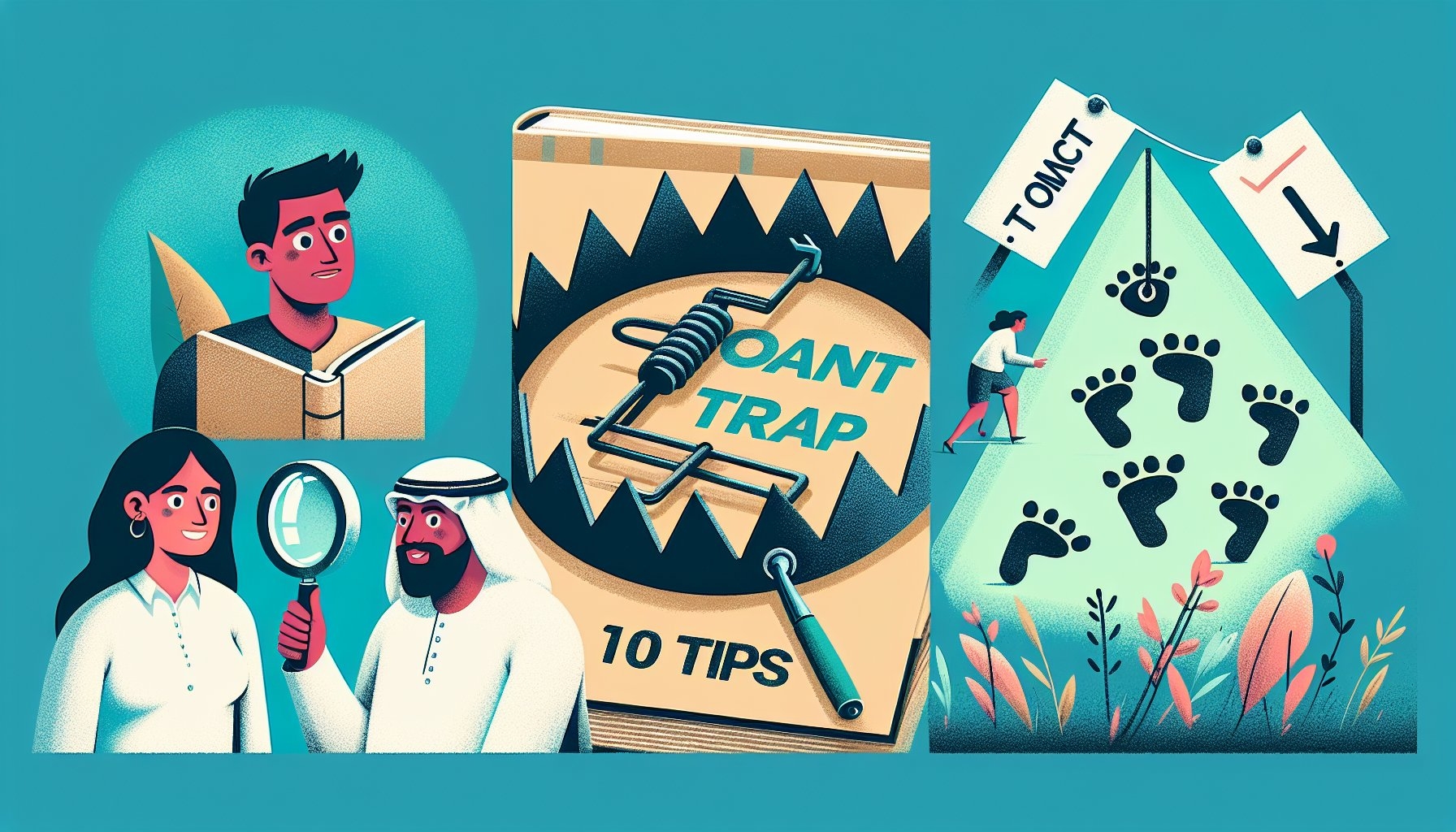
By following these tips, you significantly reduce the risk of falling into a loan trap. Each step is designed to help you make informed decisions, ensuring your financial stability remains intact while managing your borrowing needs effectively.