1. Create a Realistic Budget
Creating a detailed budget is an essential first step to paying off debt quickly. Start by tracking your income and all your expenses, highlighting non-essential spending. Use the 50/30/20 rule: allocate 50% for needs, 30% for wants, and 20% for savings and debt repayment. This structured approach helps identify areas where you can cut back, allowing you to redirect that money toward paying off debts.
2. List Your Debts
Make a comprehensive list of all your debts, including credit cards, personal loans, and any other liabilities. Note the interest rates and minimum payment amounts for each. This will help you prioritize your debts and decide whether to focus on the smallest balances first (debt snowball method) or the highest interest loans first (debt avalanche method), maximizing your debt repayment efficiency.
3. Negotiate with Creditors
In the Philippines, many creditors are willing to negotiate. Contact your lenders and discuss the possibility of lowering interest rates or creating a more manageable payment plan. Be honest about your situation and propose realistic solutions. Sometimes, lenders offer hardships programs or can restructure your loan terms, making payments more affordable.
4. Increase Your Income
Exploring ways to increase your income can significantly impact your ability to pay off debts quickly. Consider taking on a side job, selling unused items, or providing freelance services. The additional income can be channeled directly into debt payments, speeding up the repayment process. Look for online opportunities, particularly in tutoring, writing, or virtual assistance.
5. Cut Unnecessary Expenses
Evaluate your monthly expenses and identify areas where you can cut back. Remove subscriptions, limit dining out, and shop smarter. You might opt for local vegetables and fruits from wet markets instead of supermarkets. Aim to minimize expenses further without compromising your essential needs. The cash saved can then be applied to debt repayment.

6. Use the Snowball Method
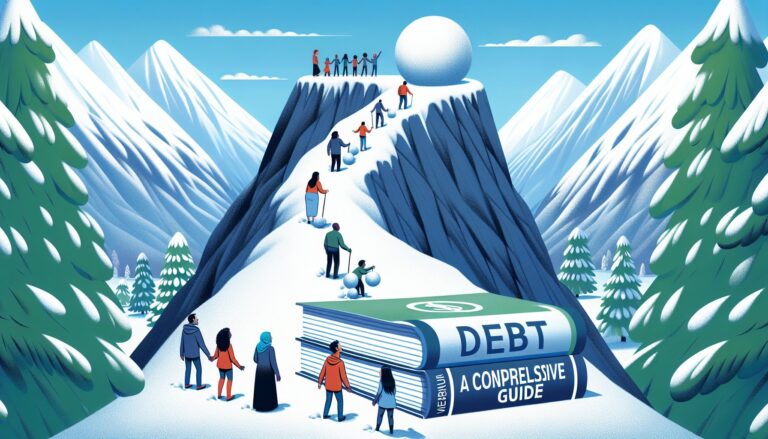
The debt snowball method focuses on paying off the smallest debts first. This approach can provide psychological benefits, as clearing out smaller debts offers a sense of accomplishment. Start by paying the minimum on larger debts while targeting the smallest debt with any additional cash. Once the smallest debt is settled, roll that payment into the next smallest, creating a snowball effect.
7. Utilize Balance Transfers
Consider utilizing credit card balance transfer options that offer low or zero interest promotional rates.transfer balances from high-interest loans or credit card debts to lower-interest accounts. This strategy allows you to minimize interest payments. However, be cautious with this approach, ensuring that you can cover any transfer fees and make payments before the promotional period expires.
8. Join a Debt Repayment Program
Debt repayment programs, often offered by non-profit organizations in the Philippines, can be a valuable way to manage your debt. These programs can negotiate lower interest rates with creditors and create a structured plan for debt repayment. Moreover, they often provide budgeting and financial education resources to ensure long-term financial health.
9. Avoid Taking on New Debt
While working on your debt repayment plan, it’s crucial to avoid incurring new debts. Refrain from using credit cards for unnecessary purchases. Limit spending to areas that are budgeted for necessities, and ensure that new financial commitments do not distract you from your debt repayment goals. Maintaining discipline during this period will accelerate your journey to financial freedom.
10. Seek Financial Counseling
If managing debts becomes overwhelming, consider seeking professional financial counseling. Non-profit organizations in the Philippines offer free or low-cost counseling services to help you better understand your financial situation. Counselors can assist in developing a budget, consolidate debts, and reach agreements with creditors, providing clarity and support in your journey toward debt relief.
By implementing these ten strategies, individuals in the Philippines can effectively work towards eliminating debt and improving their overall financial health. Adopting a proactive and disciplined approach is instrumental in achieving financial independence.