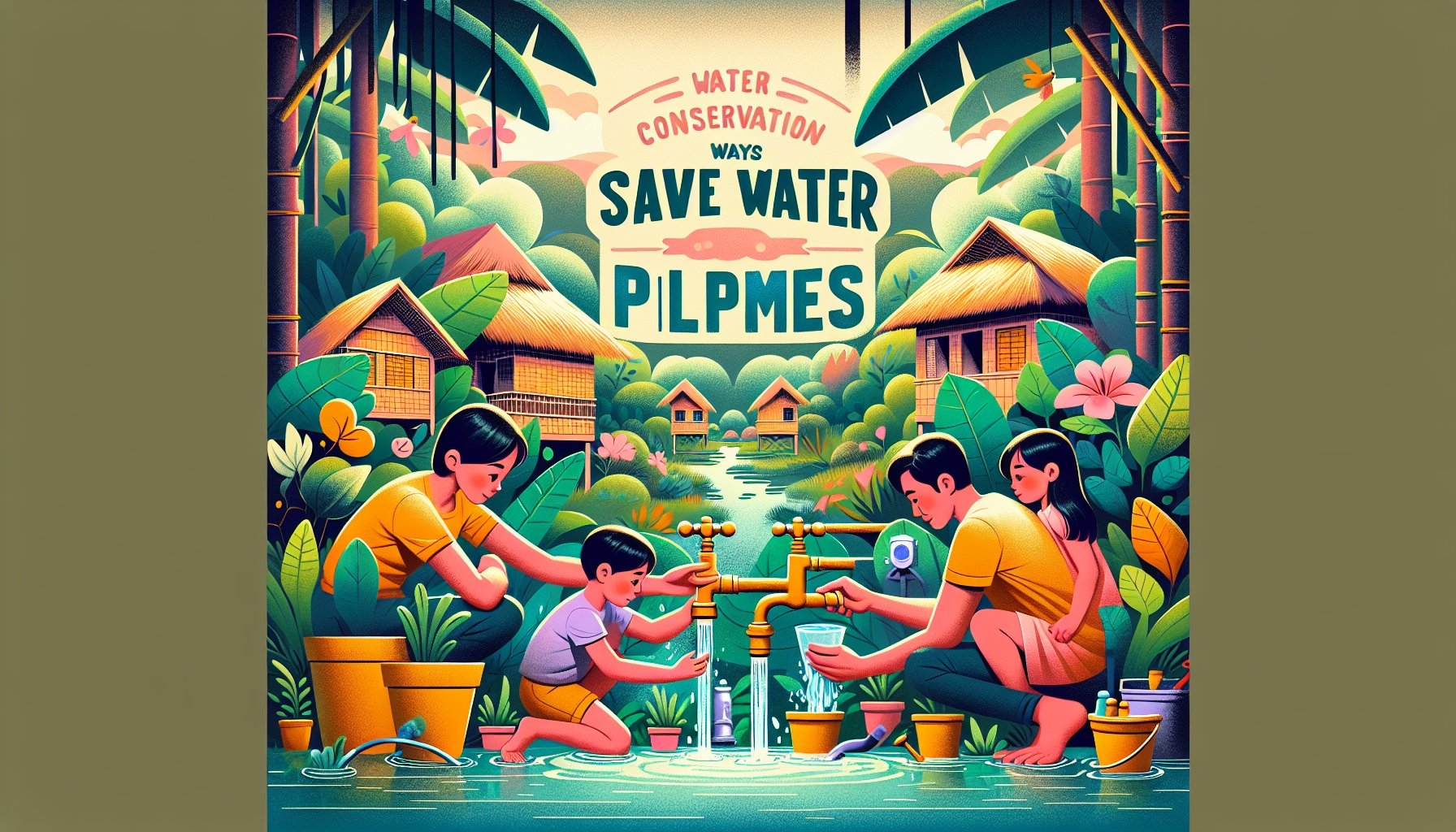
Water Conservation Philippines: Simple Ways to Save Water at Home
The Philippines, an archipelago blessed with abundant rainfall, ironically faces increasing water scarcity in various regions. Rapid urbanization, population growth, and climate change exacerbate the problem, making water conservation not just a responsible act, but a necessity for a sustainable future. Implementing simple changes in our daily routines at home can collectively contribute to significant water savings.
Bathroom Efficiency: A High-Impact Zone
The bathroom is often the biggest culprit in household water wastage. Modifying habits and upgrading fixtures can drastically reduce consumption.
-
Shorter Showers: Aim for showers lasting no more than five minutes. Utilize a timer or your phone to monitor the duration. Consider a low-flow showerhead. These devices aerate the water, maintaining pressure while reducing water usage by up to 50%. Replacing an old showerhead can save thousands of liters annually.
-
Toilet Awareness: Toilets are notorious water guzzlers. A single flush can use several liters. Consider upgrading to a dual-flush toilet. These toilets offer a half-flush option for liquid waste, saving a significant amount of water over time. Avoid using the toilet as a trash can. Disposing of tissues and other items in the toilet requires unnecessary flushing. Check for leaks regularly. Add food coloring to the toilet tank. If the color appears in the bowl within 30 minutes without flushing, you have a leak.
-
Turn Off the Tap: Don’t let the water run while brushing your teeth, shaving, or washing your hands. Wet your toothbrush, turn off the tap while brushing, and turn it back on to rinse. Similarly, fill the sink with water for shaving instead of letting the tap run continuously.
-
Reuse Shower Water (Greywater): While seemingly unconventional, collecting the initial cold water that runs while waiting for the shower to warm up is a practical way to save water. This “greywater” can be used to water plants or flush the toilet.
Kitchen Strategies: Reduce, Reuse, Recycle
The kitchen is another area where conscious water-saving practices can make a difference.
-
Efficient Dishwashing: If you have a dishwasher, run it only when it’s fully loaded. Scrape food scraps into the trash or compost bin instead of rinsing them off with water. If washing dishes by hand, fill one sink with soapy water and another with rinse water. Avoid letting the tap run continuously.
-
Vegetable Washing: Wash vegetables in a basin of water instead of under a running tap. The used water can then be repurposed for watering plants.
-
Drinking Water Habits: Keep a pitcher of cold water in the refrigerator instead of running the tap until it gets cold. This prevents wasting water while waiting for the desired temperature.
-
Cooking Water Conservation: Save the water used for boiling pasta or vegetables. Once cooled, this nutrient-rich water can be used to water plants, providing them with valuable minerals.
Laundry Practices: Wash Wisely
Laundry can consume a significant amount of water. Optimizing laundry habits can contribute to water savings.
-
Full Loads Only: Wash clothes only when you have a full load. Avoid running the washing machine with small, partial loads.
-
Water-Efficient Machines: When purchasing a new washing machine, opt for a water-efficient model. Look for machines with the “WaterSense” label. These machines use significantly less water per load.
-
Consider a Front-Loading Washer: Front-loading washing machines typically use less water than top-loading machines.
-
Reuse Laundry Rinse Water (Greywater): Similar to shower water, the final rinse water from the washing machine can be collected and used for non-potable purposes like watering plants or flushing toilets (ensure the detergent used is plant-friendly and biodegradable).
Outdoor Water Management: Smart Gardening
Outdoor water use, particularly for gardening, can be a major drain on resources. Implementing smart gardening practices can minimize water waste.
-
Watering Strategies: Water plants deeply but less frequently. This encourages deep root growth, making plants more drought-tolerant. Water early in the morning or late in the evening to minimize water loss due to evaporation.
-
Mulching: Apply mulch around plants to retain moisture in the soil and reduce evaporation.
-
Rainwater Harvesting: Collect rainwater in barrels or tanks. This water can be used for watering plants, washing cars, or other non-potable purposes.
-
Drought-Tolerant Landscaping: Choose plants that are native to the Philippines and adapted to the local climate. These plants require less watering.
-
Avoid Overwatering: Be mindful of how much water you use when watering plants. Overwatering can be just as harmful as underwatering.
Community Engagement and Awareness
Individual efforts are important, but collective action is crucial. Encourage your family, friends, and neighbors to adopt water-saving practices. Participate in community initiatives focused on water conservation. Support local organizations working to promote sustainable water management. Educate yourself and others about the importance of water conservation and the challenges facing the Philippines’ water resources. By working together, we can ensure a water-secure future for generations to come.