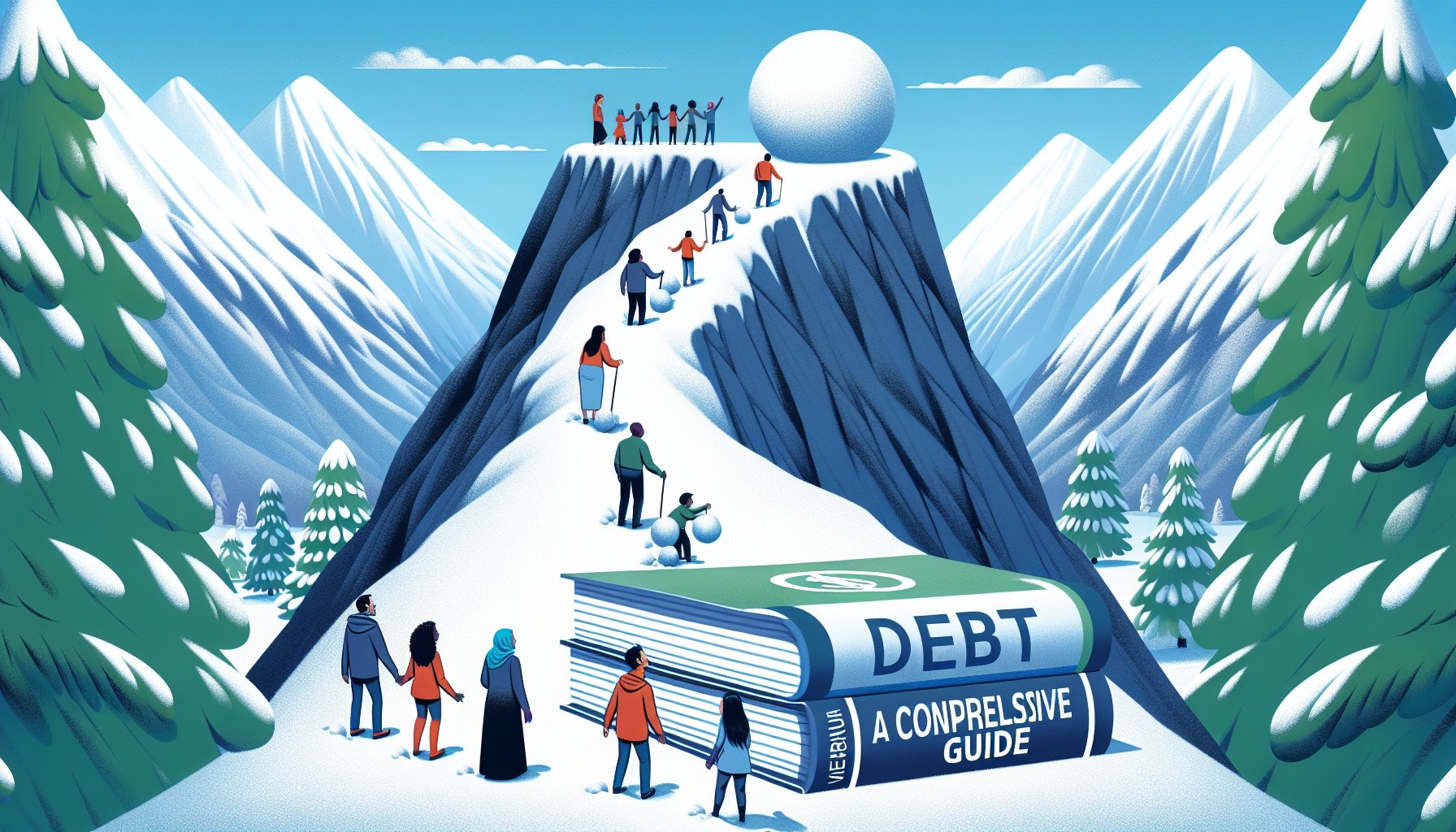
Understanding the Debt Avalanche Method: A Comprehensive Guide
When it comes to managing debt, the debt avalanche method stands out as one of the most efficient strategies for paying off multiple debts. This approach prioritizes repayments based on interest rates, allowing borrowers to minimize the total interest paid over time and accelerate their journey to financial freedom. Grasping the nuances of this method can significantly impact your financial health.
How the Debt Avalanche Method Works
The debt avalanche method involves listing out all your debts and organizing them by interest rate rather than the amount owed. Here’s a step-by-step breakdown of how to implement this strategy effectively:
-
List Your Debts: Begin by compiling a comprehensive list of all your debts. This should include credit cards, personal loans, student loans, and any other outstanding obligations.
-
Rank by Interest Rate: Once your debts are listed, rank them from the highest interest rate to the lowest. This is crucial because the goal of the debt avalanche method is to tackle the highest-interest debts first, reducing the overall interest you’ll pay.
-
Make Minimum Payments on All Debts: Continue to make the minimum payments on all your debts to avoid penalties and negative impacts on your credit score.
-
Allocate Extra Funds to the Highest-Interest Debt: Any extra money you can find each month—whether from a side hustle, bonus, or cutting unnecessary expenses—should be directed toward the debt with the highest interest rate.
-
Repeat the Process: Once the highest-interest debt is paid off, take the amount you were paying toward it and add it to the next highest interest debt. Continue this cycle until all debts are settled.
Benefits of the Debt Avalanche Method
-
Interest Savings: By focusing on high-interest debts first, you minimize the amount of interest paid overall. This means you will pay off your debts faster and save money in the long run.
-
Faster Debt Repayment: As you eliminate high-interest debts, your monthly payments toward the remaining debts will effectively increase. This accelerates the repayment process, getting you out of debt sooner.
-
Psychological Motivation: Although the psychological boost of immediate results is often touted in the debt snowball method, many find that the tangible savings associated with paying off high-interest debt can also be highly motivating.

Common Mistakes to Avoid
While the debt avalanche method is effective, there are pitfalls that can derail your success:
-
Ignoring Budgeting: Without a solid budget, it can be challenging to identify extra funds to allocate toward debt. Budgeting helps ensure you can maintain the payments needed to succeed with the avalanche method.
-
Neglecting to Reassess: Regularly reviewing your financial situation is crucial. As debts are paid off, you may find your priorities or the extra amounts available for payments change.
-
Getting Discouraged by Slow Progress: High-interest debts can take time to pay off fully. Staying committed to the process requires patience and discipline.
Best Practices for Maximizing the Avalanche Method
-
Set Clear Goals: Define your financial goals. Knowing what you want to achieve helps maintain your motivation through the process.
-
Build an Emergency Fund: An emergency fund can prevent new debt accumulation. Ideally, aim for three to six months’ expenses saved to cover unexpected costs.
-
Track Your Progress: Visual tools, like charts or graphs, can help you see the progress you are making. Celebrating milestones, even small ones, keeps motivation high.
-
Consider Refinancing: If possible, consider options for refinancing high-interest debts to lower rates. This can further accelerate your repayment efforts, especially if you can convert variable interest rates to fixed ones.
-
Leverage Tools and Resources: Utilize apps and calculators designed for debt management. Many of these tools help automate tracking and remind you of payment schedules.
Alternative Methods
Despite its advantages, the debt avalanche method isn’t for everyone. Some individuals may prefer the debt snowball method, which emphasizes paying off smaller debts first for psychological momentum. Each approach has its own merits and can be chosen based on personal preferences and financial situations.
Choosing the right debt repayment strategy can lead to significant financial change. As you navigate the complexities of debt, the debt avalanche method remains a highly effective tool in your personal finance arsenal. By understanding the mechanics, benefits, and potential pitfalls of this approach, you will be better equipped to take charge of your financial future and achieve debt freedom.