Understanding Your Income
Identify All Sources of Income
Begin by calculating the total monthly income for the family. This includes salaries, bonuses, rental income, and any freelance work. Use net income (money received after taxes and deductions) for a more accurate picture.
Keep It Up-to-Date
Make sure to revisit this list regularly, especially if there are changes in income, such as job changes or additional sources of revenue.
Tracking Monthly Expenses
Fixed vs. Variable Expenses
Categorize expenses into fixed (rent/mortgage, insurance, utilities) and variable (groceries, entertainment, dining out). Fixed expenses remain relatively constant month-to-month, while variable expenses can fluctuate.
Use Budgeting Tools
Utilize budgeting apps or spreadsheets to record and track spending. Popular apps include Mint, You Need A Budget (YNAB), and Personal Capital, which can link to bank accounts and categorize spending automatically.
Setting Clear Financial Goals
Short-term vs. Long-term Goals
Establish both short-term (saving for a vacation, holiday shopping) and long-term goals (saving for college tuition, retirement). Make these goals specific, measurable, achievable, relevant, and time-bound (SMART).
Prioritize Your Goals
Consider the urgency and importance of these goals. Prioritizing helps focus your budgeting efforts where they’ll make the most significant impact.
Creating Your Budget
Choose a Budgeting Method
Select a budgeting method that works for your family. Options include:
- Envelope System: Allocate cash for each spending category. Once the cash is gone, no more can be spent in that category.
- 50/30/20 Rule: Allocate 50% of income to needs, 30% to wants, and 20% to savings or debt repayment.
- Zero-Based Budgeting: Every dollar is assigned a job, leading to zero left at the month’s end.
Draft the Budget
Compile your income and expenses into a comprehensive budget. Keep it simple and easy to follow. List each category with planned amounts and actual amounts spent.
Implementing Your Budget
Communicate as a Family
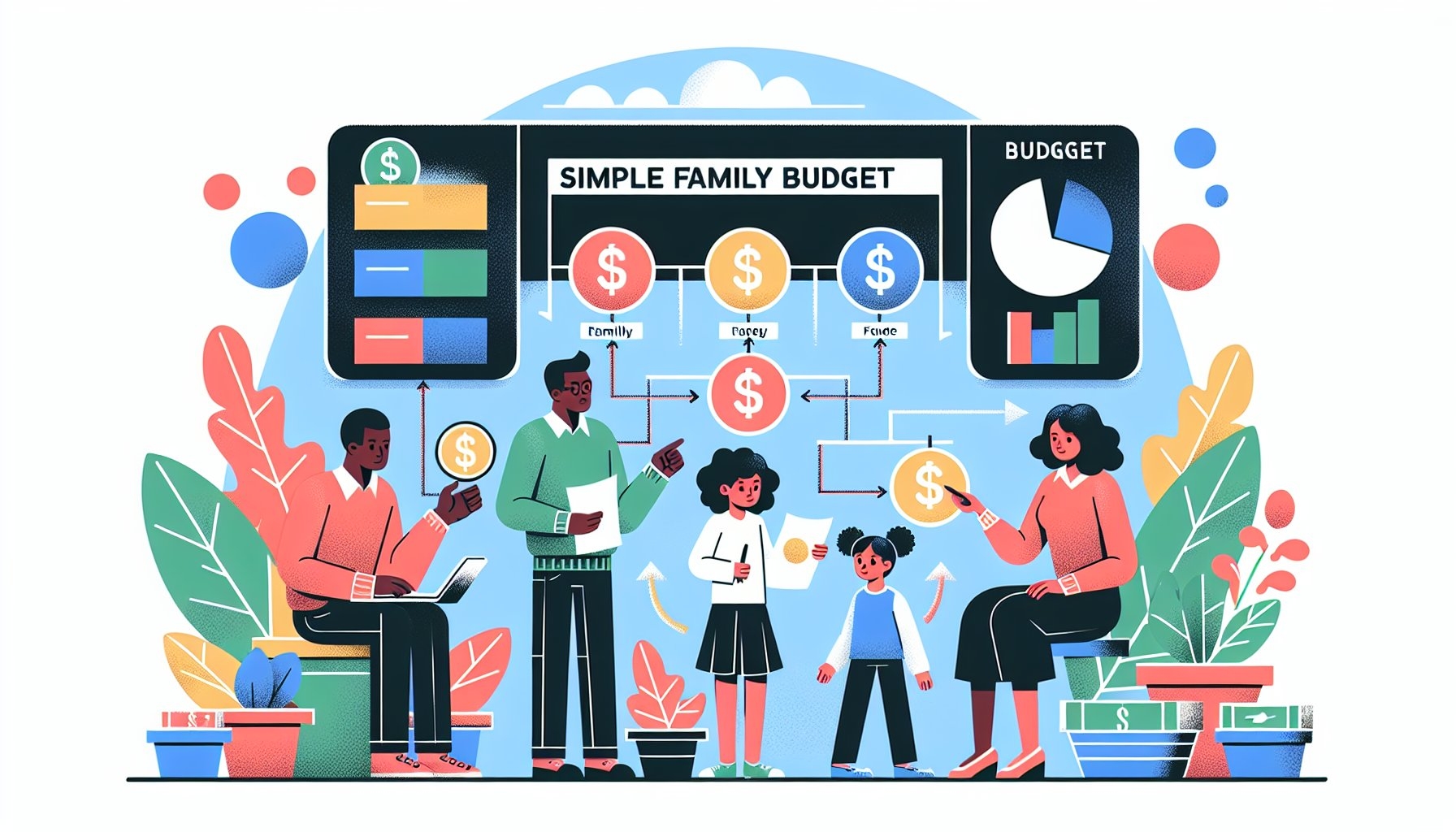
Ensure that everyone in the family understands and agrees with the budget plan. Discuss individual roles in managing budgets and how compromises may be necessary.
Monitor and Adjust Regularly
Schedule monthly check-ins to monitor spending against the budget. Discuss what worked and what needs adjustment. Flexibility is crucial; it’s okay to revise the budget as circumstances change.
Savings Strategies
Start an Emergency Fund
Aim to save at least three to six months’ worth of living expenses in an easily accessible account. This safety net can keep your family secure during unexpected financial hardships.
Utilize Savings Tools
Consider high-yield savings accounts or money market accounts that provide better interest rates than traditional savings. Automate transfers to your savings account to promote consistency.

Reducing Unnecessary Expenses
Analyze and Review Subscriptions
Regularly review any subscriptions or memberships. Cancel those that are rarely used or unnecessary. This can free up additional funds for savings or essential expenses.
Shop Smart
Use coupons, compare prices, and take advantage of sales. Create a shopping list before heading to the store to avoid impulse buys and stick to necessary purchases.
Debt Management
List All Debts
Document each debt, including credit cards, loans, and mortgages, noting their interest rates and minimum payments. This will help prioritize which debts to tackle first.
Choose a Repayment Strategy
Select a debt repayment method, such as the avalanche (highest interest debt prioritized) or snowball (smallest debt prioritized first) method. Stick to the plan and make extra payments if possible.
Teaching Kids About Money
Involve Kids in Financial Discussions
Hold age-appropriate discussions about budgeting, saving, and the concept of money. This helps them understand financial responsibility early on.
Set Up a Savings System for Kids
Encourage kids to save by setting aside a portion of allowances or earnings. Consider creating a visual piggy bank system or using an app tailored to children.
Planning for Irregular Expenses
Account for Irregular Expenses
Include seasonal or occasional expenses such as holiday shopping, school supplies, or vacations in your budget. Set aside a small amount each month in a separate savings account.
Create a “Fun Fund”
Establish a spending category specifically for family outings or vacations. Allocating a budget for fun ensures that entertainment is incorporated into the family’s financial plan without feelings of guilt.
Evaluating Progress
Keep Financial Statements Handy
Maintain easy access to financial documents like bank statements and tax returns. Regularly review these to stay aware of your financial situation and ensure adherence to the budget.
Revise Annually or Biannually
Conduct an in-depth review of your budget and financial goals at least once a year. Adjust goals, reallocate funds, and change strategies as necessary based on family dynamics and financial situation.
Utilizing External Resources
Seek Financial Advice
If needed, don’t hesitate to consult a financial advisor. They can provide personalized advice tailored to your family’s unique situation.
Utilize Educational Resources
There are numerous online resources, webinars, and workshops focused on family financial planning. Engage in community financial literacy programs to enhance your budgeting skills.
By following these steps and utilizing effective budgeting techniques, families can create a solid financial foundation, achieve their goals, and navigate expenses with confidence. Implementing a simple budget plan helps foster financial discipline, promotes communication, and encourages responsible spending habits. Balancing income and expenses gives families peace of mind and enhances their overall financial wellness.