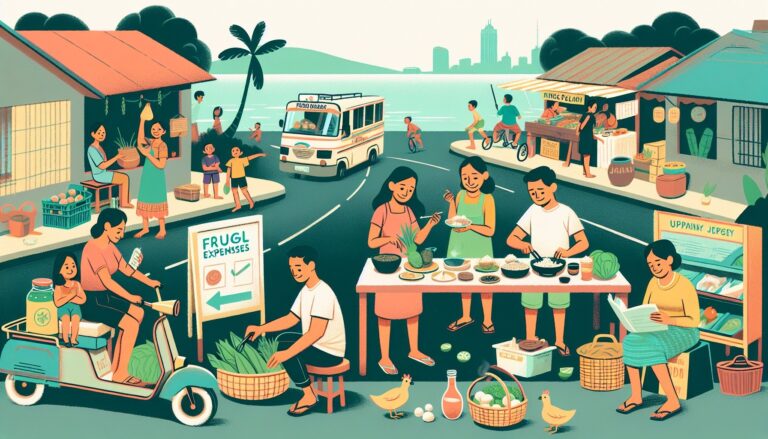
Save Money Studying in the Philippines: Budgeting Tips for Students
The Philippines, with its tropical climate, vibrant culture, and affordable cost of living, is an increasingly attractive destination for international students. However, even with its relative affordability, effectively managing your finances is crucial for a stress-free and enriching academic experience. This guide provides practical budgeting tips tailored specifically for students studying in the Philippines.
Accommodation: The Biggest Expense
Accommodation often constitutes the largest portion of a student’s budget. Exploring various options is key to finding the most cost-effective solution.
- Dormitories: University dormitories are typically the cheapest option, often located on or near campus. While basic, they offer convenience and opportunities for social interaction. Inquire about dorm fees and application procedures well in advance, as spaces fill quickly.
- Apartment Sharing (Boarding Houses): Sharing an apartment or room in a boarding house with other students can significantly reduce costs. Negotiate rental terms and clarify utility bill arrangements (electricity, water, internet) upfront. Consider proximity to your university and transportation options.
- Off-Campus Housing: Renting an entire apartment offers more privacy but is generally more expensive. Explore areas outside the immediate university vicinity; prices tend to be lower further away. Be prepared to pay a security deposit (usually one to two months’ rent) and potentially advance rent. Secure a lease agreement and understand your rights as a tenant.
- Consider Location Carefully: Living in bustling areas like Manila and Cebu City is more expensive than in smaller cities or provinces. If your chosen university has a campus in a less urbanized location, consider that option for lower living costs.
Food: Eating Smart and Cheap
Food expenses can be managed effectively by adopting smart eating habits.
- Cook Your Own Meals: This is the most effective way to save money on food. Purchase groceries from local markets (palengke) for fresh produce at lower prices than supermarkets. Learn basic Filipino recipes using readily available and affordable ingredients like rice, vegetables, and chicken.
- Explore Carinderias: Carinderias are small, local eateries offering affordable and delicious Filipino meals. A typical meal (ulam) with rice can cost as little as PHP 50-100. Be mindful of hygiene and food safety practices.
- Avoid Tourist Traps: Restaurants catering to tourists often charge significantly higher prices. Opt for local eateries frequented by Filipinos for authentic and affordable cuisine.
- Packed Lunches: Prepare your lunch and snacks to avoid impulsive purchases at school cafeterias or convenience stores.
- Water is Key: Tap water in the Philippines is generally not safe to drink. Purchase bottled water in bulk or invest in a water filter to save money in the long run.
Transportation: Navigating the City on a Budget
Transportation costs can add up quickly. Familiarize yourself with affordable transportation options.
- Jeepneys: Jeepneys are the most iconic and affordable mode of public transportation in the Philippines. Fares are relatively low, but routes can be confusing. Learn common routes and landmarks.
- Buses: Buses are another affordable option for longer distances within cities or between provinces.
- Trains (MRT/LRT): In Metro Manila, the MRT and LRT offer a faster alternative to jeepneys and buses, particularly during peak hours. Purchase a stored-value card to avoid queuing.
- Walking and Biking: If your university is within walking or biking distance, consider these eco-friendly and budget-friendly options.
- Ride-Hailing Services (Grab, Angkas): While convenient, ride-hailing services can be expensive. Use them sparingly, especially during surge pricing.
- Student Discounts: Check if your university offers student discounts on public transportation.
Academic Expenses: Minimizing Costs
Academic expenses beyond tuition fees can be substantial. Plan ahead and explore cost-saving strategies.
- Used Textbooks: Purchase used textbooks from upperclassmen or online platforms. Sell your textbooks after you finish the course.
- Library Resources: Utilize the university library’s resources extensively, including books, journals, and online databases.
- Photocopying: Photocopying is generally cheaper than printing.
- Open Educational Resources (OER): Explore free online resources, including open-source textbooks and lecture notes.
- Group Study: Collaborate with classmates to share notes and resources.
- Computer Labs: Utilize the university’s computer labs for research and assignments to avoid personal internet and printing costs.
Entertainment and Leisure: Enjoying Life Without Breaking the Bank
Enjoying your time in the Philippines is important, but it doesn’t have to be expensive.
- Free Activities: Take advantage of free activities like exploring parks, beaches, and historical sites.
- Student Discounts: Many establishments offer student discounts. Always inquire before making a purchase.
- Happy Hour Deals: Take advantage of happy hour deals at bars and restaurants.
- Potlucks and Group Activities: Organize potlucks with friends to share food and socialize.
- Explore Local Festivals: Attend local festivals for a taste of Filipino culture without spending a fortune.
Financial Management: Staying on Track
Effective financial management is crucial for sticking to your budget.
- Create a Budget: Track your income and expenses to identify areas where you can cut back.
- Set Financial Goals: Define your financial goals, such as saving for a specific trip or purchasing a new gadget.
- Avoid Unnecessary Spending: Resist impulse purchases and prioritize essential expenses.
- Look for Part-Time Opportunities: If permitted by your visa, consider part-time jobs on campus or online to supplement your income.
- Remittances: Discuss remittance strategies with your family to minimize transaction fees.
- Emergency Fund: Set aside a small emergency fund to cover unexpected expenses.
- Financial Literacy: Take advantage of financial literacy workshops or online resources to improve your money management skills.
By implementing these budgeting tips, students can effectively manage their finances and enjoy a fulfilling and affordable academic experience in the Philippines. Careful planning, resourcefulness, and a commitment to mindful spending are key to success.