Eating Like a Local: Savoring Flavors Without Emptying Your Wallet
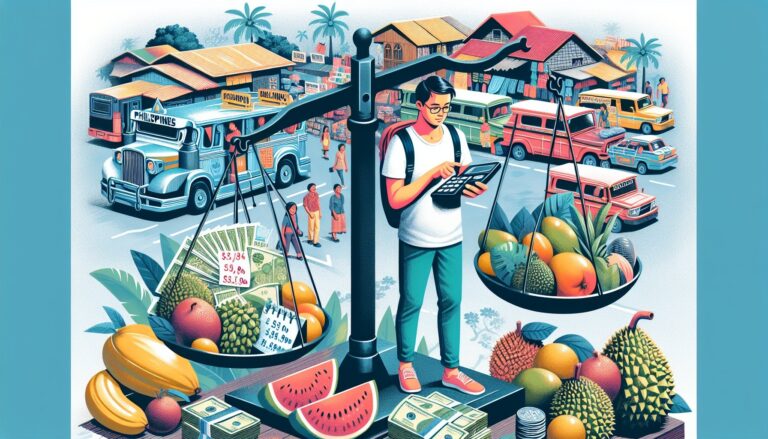
Filipino cuisine is a vibrant tapestry of flavors, and exploring it doesn’t require breaking the bank. Embrace carinderias, small, family-run eateries, for authentic and incredibly affordable meals. A plate of adobo, sinigang, or kare-kare can cost as little as ₱50-₱100. Look for places with a high turnover of customers; it usually indicates fresh and tasty food.
Learn to cook popular Filipino dishes yourself. Ingredients are readily available at local markets (palengke) for significantly less than supermarket prices. Plan your meals around seasonal produce to maximize savings. Consider joining a suki system with your favorite vendor, building a relationship for potential discounts and the freshest picks.
Avoid tourist traps and upscale restaurants, especially in popular destinations. Instead, venture a few blocks away from the main streets to discover hidden culinary gems offering the same delicious food at a fraction of the cost. Embrace street food cautiously; stick to vendors with visibly clean practices and a consistent flow of customers. Kakanin (rice cakes) like puto and kutsinta are a cheap and satisfying snack.
Transportation Hacks: Getting Around Without Getting Broke
The Philippines offers a diverse range of transportation options, and mastering the local system is key to saving money. Jeepneys are the iconic and cheapest mode of transport, usually costing around ₱10-₱15 for short distances. Learn the routes and common drop-off points to navigate effectively.
Buses are another affordable option for intercity travel. Research different bus companies and compare prices. Consider booking in advance, especially during peak seasons, to secure the best deals.
For shorter distances, tricycles are a common sight. Negotiate the fare before getting on to avoid being overcharged. Consider using ride-hailing apps like Grab, but be aware that prices can surge during peak hours. Explore alternative options like Angkas (motorcycle taxi) for a faster and often cheaper alternative, especially in congested areas.
Walking is free and a great way to explore cities, especially in areas with historical or cultural significance. Invest in comfortable walking shoes and be mindful of your surroundings.
Accommodation Strategies: Finding a Comfortable and Affordable Home Base
Forget expensive hotels. Consider guesthouses, hostels, or Airbnb for significantly cheaper accommodation. Look for places outside the central tourist areas to find even better deals. Read reviews carefully before booking to ensure the place is clean, safe, and meets your needs.
For longer stays, consider renting an apartment or condo. Negotiate the rental price, especially for longer lease terms. Look for places with utilities included in the rent to avoid unexpected expenses.
Consider house-sitting or volunteering opportunities in exchange for accommodation. Numerous organizations offer programs where you can stay for free in exchange for helping with various tasks.
Entertainment on a Shoestring: Enjoying the Philippines Without Spending a Fortune
The Philippines is blessed with natural beauty, and many of the best experiences are free or low-cost. Explore beaches, hiking trails, and waterfalls. Pack your own food and drinks to avoid expensive tourist traps.
Visit local museums and historical sites. Many offer discounted rates for students and senior citizens. Look for free cultural events and festivals happening in your area.
Take advantage of free activities offered by local communities, such as walking tours, community markets, and outdoor concerts. Attend free workshops or seminars on topics that interest you.
Embrace the Pinoy culture of barkada (friendship) gatherings. Organize potlucks and game nights at home instead of going out to expensive bars or restaurants.
Smart Shopping and Resourcefulness: Maximizing Your Money’s Worth
Shop at tiangges (flea markets) and ukay-ukay (thrift stores) for clothes, accessories, and household items. Bargaining is expected, so don’t be afraid to negotiate the price.
Buy in bulk when possible, especially for non-perishable items. Take advantage of supermarket sales and promotions.
Learn to repair things yourself instead of hiring someone. There are numerous online tutorials and DIY guides available.
Embrace the Pinoy culture of resourcefulness. Repurpose old items instead of throwing them away. Find creative ways to save money and live sustainably.