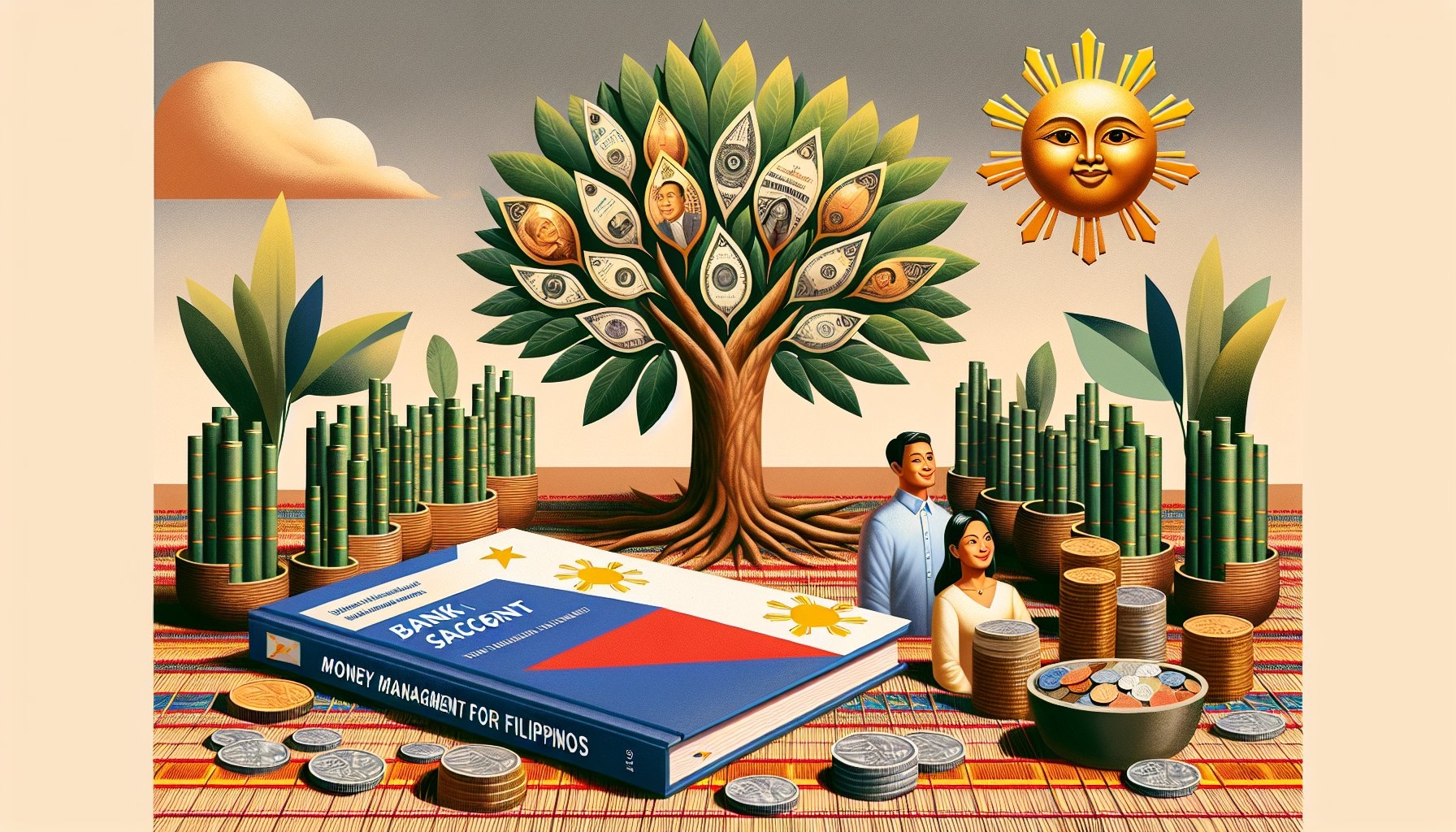
Money Management for Filipinos: Your Guide to Financial Success
Filipinos, renowned for their resilience, hard work, and strong family ties, often face unique financial challenges. These range from supporting extended families to navigating a culture where saving might not always be prioritized. Effective money management is crucial for building a secure future and achieving financial independence. This guide provides practical strategies tailored to the Filipino context.
1. Understanding Your Financial Landscape: Budgeting and Tracking
The cornerstone of any successful financial plan is a solid budget. Begin by meticulously tracking your income and expenses. Use budgeting apps like Expense Manager, Money Manager, or even a simple spreadsheet. Categorize your spending into needs (housing, food, transportation, utilities), wants (entertainment, dining out, non-essential clothing), and savings/investments.
Addressing the “Utang” Culture: Be honest about your debts. Create a debt repayment plan, prioritizing high-interest debts like credit cards. Consider the debt snowball method (paying off the smallest debts first for psychological wins) or the debt avalanche method (paying off the highest interest debts first to save money in the long run).
The “Padala” Factor: Supporting family members back home is a deeply ingrained cultural practice. Incorporate this into your budget. Determine a sustainable amount you can contribute without compromising your own financial well-being. Explore options like setting up regular automatic transfers or establishing a dedicated “padala” fund.
2. Saving Strategies: Beyond the Piggy Bank
Filipinos often rely on traditional savings methods like “alkansya” (piggy bank). While a good starting point, explore higher-yielding options.
- High-Yield Savings Accounts: Look for banks offering competitive interest rates on savings accounts. Consider online banks, which often have lower overhead and can offer better rates.
- Time Deposits: Lock in a specific amount for a fixed period to earn higher interest. Compare rates and terms across different banks.
- Pag-IBIG MP2 Savings Program: A government-backed savings program offering potentially higher returns than regular savings accounts. It’s a safe and reliable option for Filipinos, especially those employed or self-employed.
- Emergency Fund: Aim to save 3-6 months’ worth of living expenses in an easily accessible account. This provides a safety net for unexpected events like job loss or medical emergencies.
3. Investing Wisely: Building Long-Term Wealth
Investing is crucial for long-term financial growth. Understand your risk tolerance and investment horizon before venturing into the market.
- Mutual Funds: A diversified investment option managed by professionals. Consider equity funds (higher risk, higher potential returns) or bond funds (lower risk, lower returns).
- Unit Investment Trust Funds (UITFs): Similar to mutual funds, but offered by banks. Compare fees and performance before investing.
- Stocks: Investing in individual stocks can offer high returns but also comes with higher risk. Thoroughly research companies before investing. Consider starting with blue-chip stocks (well-established and financially stable companies).
- Real Estate: Investing in property can be a good long-term investment, but requires significant capital. Consider factors like location, potential rental income, and property taxes.
- Cryptocurrencies: A highly volatile and speculative asset class. Only invest what you can afford to lose. Thorough research and understanding are essential.
4. Insurance: Protecting Your Assets and Future
Insurance is essential for mitigating financial risks.
- Health Insurance: Given the high cost of healthcare in the Philippines, health insurance is crucial. Consider PhilHealth (government-sponsored) and private health insurance options.
- Life Insurance: Provides financial protection for your loved ones in case of your untimely death. Consider term life insurance (affordable coverage for a specific period) or whole life insurance (permanent coverage with a cash value component).
- Property Insurance: Protects your home and belongings from damage or loss due to fire, natural disasters, or theft.
- Vehicle Insurance: Required for all vehicles in the Philippines. Protects you from financial liability in case of accidents.
5. Financial Literacy: Continuous Learning and Improvement
Financial literacy is an ongoing journey.
- Read books and articles on personal finance.
- Attend seminars and workshops on investing and money management.
- Follow reputable financial advisors and bloggers.
- Be wary of get-rich-quick schemes and scams.
- Seek professional financial advice when needed.
Addressing Cultural Nuances:
- “Bahala Na” Mindset: While signifying faith and resilience, avoid relying solely on “bahala na” (come what may) when it comes to finances. Plan and prepare for potential challenges.
- Family Pressure: Learn to politely but firmly set boundaries regarding financial requests from family members. Prioritize your own financial well-being.
- “Hiya” (Shame) Culture: Overcome the reluctance to discuss finances with family and friends. Open communication can lead to better financial decisions.
By implementing these strategies, Filipinos can take control of their finances, build a secure future, and achieve their financial goals. Remember that consistency, discipline, and continuous learning are key to long-term financial success.