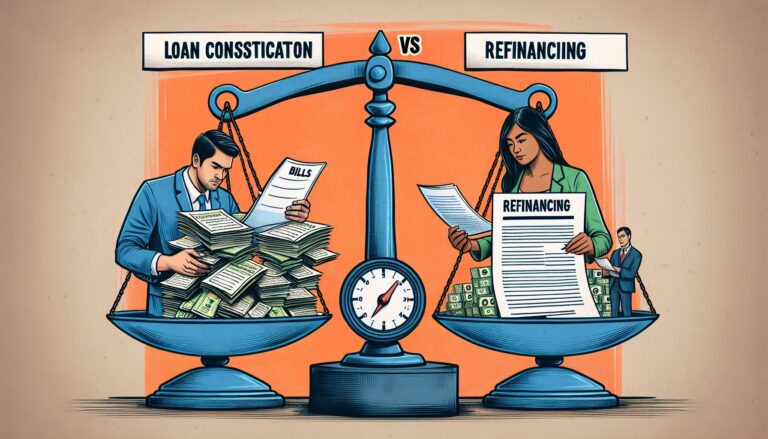
Life after loan restructuring offers a fresh start, but navigating this new financial landscape requires careful planning and disciplined execution. The restructuring itself was a crucial step, alleviating immediate pressure, but it’s only the foundation for long-term financial stability. The post-restructuring period demands a proactive approach to ensure you don’t revert to old habits and avoid future financial distress.
Understanding the New Terms:
The first, and arguably most critical, step is a thorough understanding of your restructured loan agreement. Don’t rely on memory. Obtain a physical or digital copy of the document and scrutinize every detail. Pay particular attention to:
- Revised Interest Rate: Is it fixed or variable? Understand how fluctuations in market rates might impact your monthly payments.
- New Repayment Schedule: Note the exact due dates and amounts. Set up automated reminders to avoid late payment penalties, which can negate the benefits of restructuring.
- Fees and Charges: Are there any new fees associated with the restructured loan, such as prepayment penalties? Knowing these upfront will prevent unpleasant surprises.
- Collateral Implications: If the loan is secured, understand how the restructuring affects the collateral agreement.
- Grace Periods and Penalties: Be crystal clear about the grace period for payments and the penalties for missed or late payments.
Budgeting and Financial Planning:
Restructuring provides breathing room, but it’s imperative to create a realistic and sustainable budget. This budget should not only cover your loan payments but also address other essential expenses and savings goals.
- Track Your Spending: Use budgeting apps, spreadsheets, or even a simple notebook to meticulously track your income and expenses for at least a month. This will provide a clear picture of your spending habits.
- Identify Areas for Reduction: Analyze your spending patterns and identify areas where you can cut back. Even small reductions can accumulate over time and significantly impact your financial health. Consider areas like dining out, entertainment, and subscription services.
- Prioritize Needs Over Wants: Distinguish between essential needs and discretionary wants. Focus on meeting your basic needs first and then allocate funds for wants based on affordability.
- Create a Savings Plan: Incorporate savings goals into your budget. Aim to build an emergency fund to cover unexpected expenses and avoid relying on debt in the future. A good starting point is to save 3-6 months’ worth of living expenses.
- Regularly Review and Adjust: Your budget is not a static document. Review it regularly, at least monthly, and adjust it as needed to reflect changes in your income, expenses, or financial goals.
Credit Repair and Monitoring:
Loan restructuring can impact your credit score, although usually less severely than default or bankruptcy. It’s crucial to actively monitor your credit report and take steps to improve your creditworthiness.
- Obtain Your Credit Report: Request a free copy of your credit report from each of the three major credit bureaus (Equifax, Experian, and TransUnion) annually.
- Dispute Errors: Carefully review your credit report for any errors or inaccuracies. Dispute any incorrect information with the credit bureaus.
- Pay Bills On Time: Consistent on-time payments are the most significant factor in improving your credit score.
- Keep Credit Utilization Low: If you have credit cards, keep your credit utilization ratio (the amount of credit you’re using compared to your total credit limit) below 30%.
- Avoid Opening New Accounts: Refrain from opening new credit accounts unless absolutely necessary. Opening too many accounts in a short period can negatively impact your credit score.
Seeking Professional Guidance:
While you can manage many aspects of post-restructuring financial stability on your own, seeking professional guidance from a financial advisor or credit counselor can be invaluable.
- Financial Advisor: A financial advisor can help you develop a comprehensive financial plan, including investment strategies, retirement planning, and debt management.
- Credit Counselor: A credit counselor can provide guidance on budgeting, debt management, and credit repair. They can also help you negotiate with creditors and develop a debt repayment plan.
Avoiding Future Debt:
The ultimate goal is to avoid accumulating debt again. This requires a fundamental shift in your financial mindset and habits.
- Live Below Your Means: Spend less than you earn. This is the cornerstone of financial stability.
- Plan For Major Purchases: Save up for major purchases instead of relying on credit.
- Avoid Impulse Buying: Resist the urge to make impulsive purchases. Take time to consider whether you truly need an item before buying it.
- Continuously Educate Yourself: Stay informed about personal finance topics. The more you know, the better equipped you’ll be to make sound financial decisions.
By following these guidelines, you can leverage the opportunity provided by loan restructuring to build a solid foundation for long-term financial stability and avoid repeating past mistakes.