Understanding the Need for an Emergency Fund
An emergency fund is essential for financial security, enabling individuals and families to cope with unexpected expenses like medical bills, urgent home repairs, or temporary job loss. In the Philippines, where natural disasters like typhoons and earthquakes are common, having a cushion of savings is even more crucial.
What is an Emergency Fund Calculator?
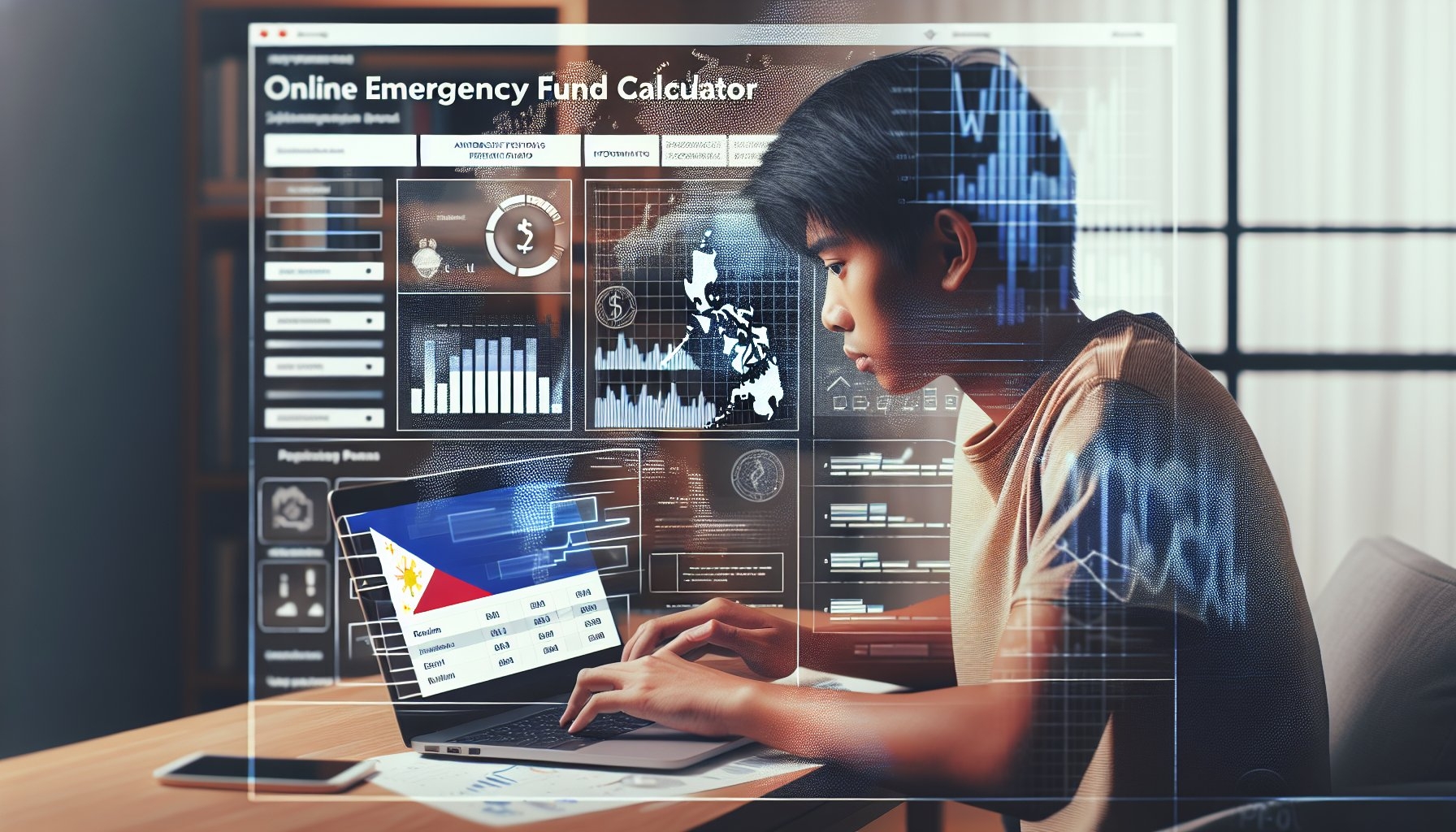
An emergency fund calculator is a tool that helps you determine how much money you should save for emergencies. It factors in your expenses, lifestyle, and financial obligations. Using an emergency fund calculator provides a clearer picture of your financial health, ensuring you are adequately prepared for unexpected situations.
How to Use an Emergency Fund Calculator in the Philippines
-
Gather Necessary Information
Before using the calculator, gather your monthly expenses. This includes:- Utility bills (electricity, water, internet)
- Transportation costs
- Groceries
- Insurance premiums (health, auto, etc.)
- Loan repayments
- Any other regular monthly expenses
-
Calculate Your Total Monthly Expenses
Sum up all your expensed items to derive a total monthly expense figure. This number is crucial as it serves as the baseline for your emergency fund calculations. -
Determine the Recommended Emergency Fund Size
Financial experts commonly recommend setting aside at least three to six months’ worth of living expenses. Some calculators may allow you to input your preference for how many months you want your fund to cover. Based on your assessment, decide whether you want the fund to cover three, six, or even twelve months’ worth of expenses. -
Input Information into the Calculator
Enter your total monthly expenses and your desired period of coverage into the emergency fund calculator. The calculator will often ask for any other pertinent details, such as your current savings or investments that may already fulfill part of your emergency fund goal. -
Evaluate the Results
Once you have entered all the data, the calculator will provide you with a target amount for your emergency fund. This number represents the total savings you should aim for. For example, if your monthly expenses total PHP 20,000 and you choose a six-month coverage, your target fund would be PHP 120,000.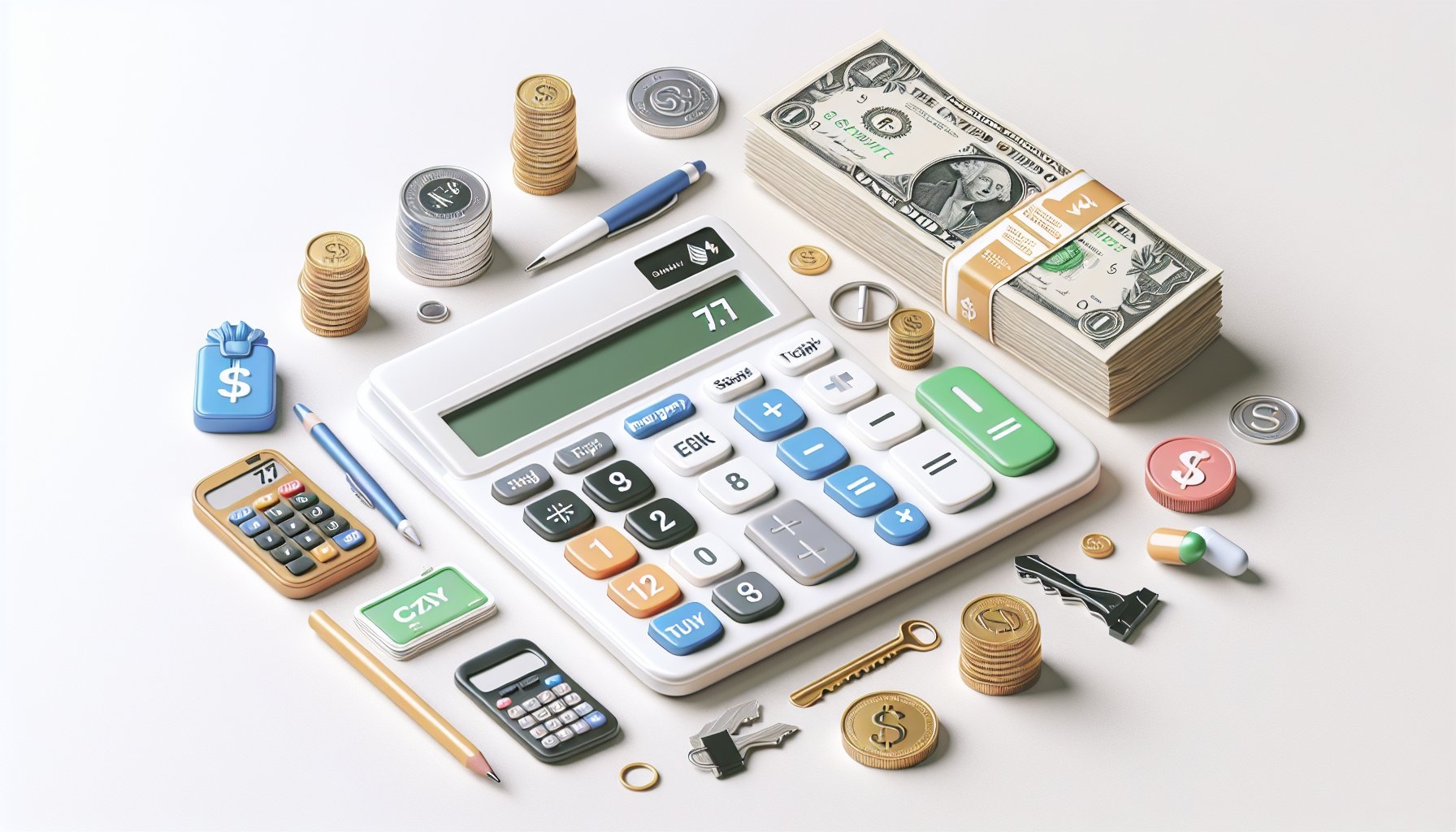
-
Adjust Your Savings Plan Accordingly
With the target amount in mind, create a realistic savings plan. Consider your monthly budget and determine how much you can feasibly set aside each month. If saving the entire amount seems daunting, break it down into smaller, achievable goals. -
Set Up a Separate Savings Account
For effective management of your emergency fund, consider opening a dedicated savings account. A separate account prevents you from accidentally dipping into your emergency fund for non-emergency expenses and allows you to earn interest on your savings. -
Regularly Review and Update
Assess your emergency fund annually or whenever there’s a significant change in your financial situation. If your expenses increase or decrease, adjust your savings goal accordingly. Life events such as a new job or additional family members may also influence your emergency fund requirements. -
Consider Inflation
Especially in the Philippines, where inflation can affect living costs, be mindful of how rising prices might impact your emergency fund. Keep track of inflation rates and adjust your savings target to ensure it remains adequate.
Common Pitfalls to Avoid
- Underestimating Expenses: Ensure your monthly expenses accurately reflect your lifestyle and needs. Overlooking certain costs can leave you underprepared.
- Mixing Funds: Avoid using your emergency savings for planned expenses like travel or holidays. This fund is solely for emergencies.
- Neglecting Growth Opportunities: While your emergency fund should be liquid and accessible, it can also benefit from being in a high-yield savings account to mitigate inflation impacts.
Leveraging Available Tools
Numerous online calculators are free and user-friendly, ensuring easy access for Filipinos. Look for calculators that are tailored specifically for the Philippine context, as they might consider factors like local inflation, typical salary ranges, and common expenses. It’s also worthwhile checking financial apps that can assist in budgeting and savings.
The Role of Financial Literacy
Understanding how to effectively use an emergency fund calculator is part of broader financial literacy. Engage with educational content, attend finance workshops, and seek advice from financial advisors to improve your knowledge on budgeting, saving, and investing.
Adopting an informed perspective on personal finance can significantly enhance your ability to weather financial storms in the future. Thus, using an emergency fund calculator wisely positions you toward greater financial resilience.