Understanding the Credit Card Juggling Act: Benefits and Risks
Juggling multiple credit cards, when done strategically, can unlock a world of rewards, cashback, and improved credit utilization. However, it’s a high-wire act requiring discipline and meticulous tracking to avoid disastrous consequences. Before diving in, acknowledge the potential pitfalls: missed payments leading to late fees and damaged credit scores, accumulating debt beyond your means, and the temptation of overspending. Only proceed if you possess the financial responsibility and organizational skills to manage this complex financial strategy.
Step 1: Assessing Your Creditworthiness and Financial Situation
Before applying for multiple cards, understand your credit profile. Obtain free reports from AnnualCreditReport.com to review your credit score and identify any errors. A higher credit score (ideally 700 or above) significantly increases your approval odds and grants access to cards with better rewards and lower interest rates. Analyze your monthly income and expenses to determine how much you can realistically afford to spend and pay off each month. This crucial step prevents overextension and ensures you can manage multiple card payments.
Step 2: Choosing the Right Credit Cards for Your Goals
The key to successful credit card juggling lies in selecting cards that align with your spending habits and financial goals. Consider these factors:
- Rewards Programs: If you frequently travel, a travel rewards card offering points or miles per dollar spent might be beneficial. For everyday expenses, cashback cards offering a percentage back on purchases are a solid choice. Some cards offer rotating bonus categories, requiring active enrollment and strategic spending within those categories.
- Introductory Offers: Look for cards with sign-up bonuses, such as earning a large sum of points or cashback after spending a certain amount within a specific timeframe. These bonuses can provide a significant boost to your rewards earnings.
- Annual Fees: Weigh the benefits of a card against its annual fee. If the rewards earned outweigh the fee, it might be worthwhile. Otherwise, consider no-annual-fee options.
- Interest Rates (APR): While the goal is to pay off balances in full each month, understand the APR for each card in case unexpected expenses arise. Opt for cards with lower APRs if you anticipate carrying a balance.
- Balance Transfer Options: If you have existing high-interest debt, consider a card with a 0% introductory APR on balance transfers. This can save you significant money on interest charges.
Step 3: Strategic Spending and Maximizing Rewards
Once you have your cards, implement a strategic spending plan. Categorize your spending and assign each category to the card that offers the highest rewards in that area. For example, use a card that offers 4% cashback on gas for all fuel purchases and a card that offers 3% cashback on dining for restaurant meals.
Keep a spreadsheet or use a budgeting app to track your spending on each card and ensure you’re maximizing rewards within each category. Be mindful of spending limits and avoid exceeding them to maintain good credit utilization.
Step 4: Mastering Payment Management and Avoiding Debt
This is where meticulous organization is paramount. Set up automatic payments for at least the minimum amount due on each card to avoid late fees and negative impacts on your credit score. Ideally, aim to pay off the full balance on each card every month to avoid accruing interest.
Create a payment schedule and stick to it religiously. Use reminders and calendar alerts to ensure you never miss a payment. Consider consolidating all your credit card information, including due dates and balances, in a single spreadsheet or budgeting app for easy tracking.
Step 5: Monitoring Your Credit Report and Adjusting Your Strategy
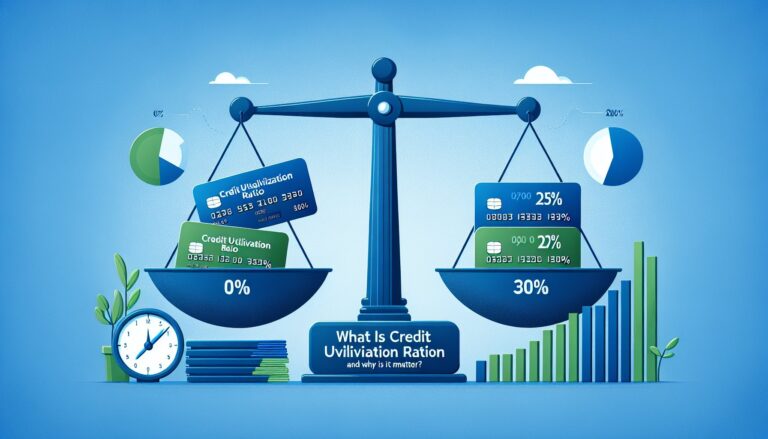
Regularly monitor your credit report for any inaccuracies or signs of fraud. Dispute any errors immediately. Track your credit utilization ratio (the amount of credit you’re using compared to your total available credit) on each card. Aim to keep your credit utilization below 30% on each card, and ideally below 10%, to maintain a healthy credit score.
Periodically review your credit card strategy and adjust it as needed. If your spending habits change or new cards with better rewards become available, consider re-evaluating your card portfolio. Remember, credit card juggling is an ongoing process that requires constant monitoring and adaptation. If you find yourself struggling to manage multiple cards, consider simplifying your approach and focusing on fewer cards with broader rewards.