Understanding Loan Consolidation in the Philippines
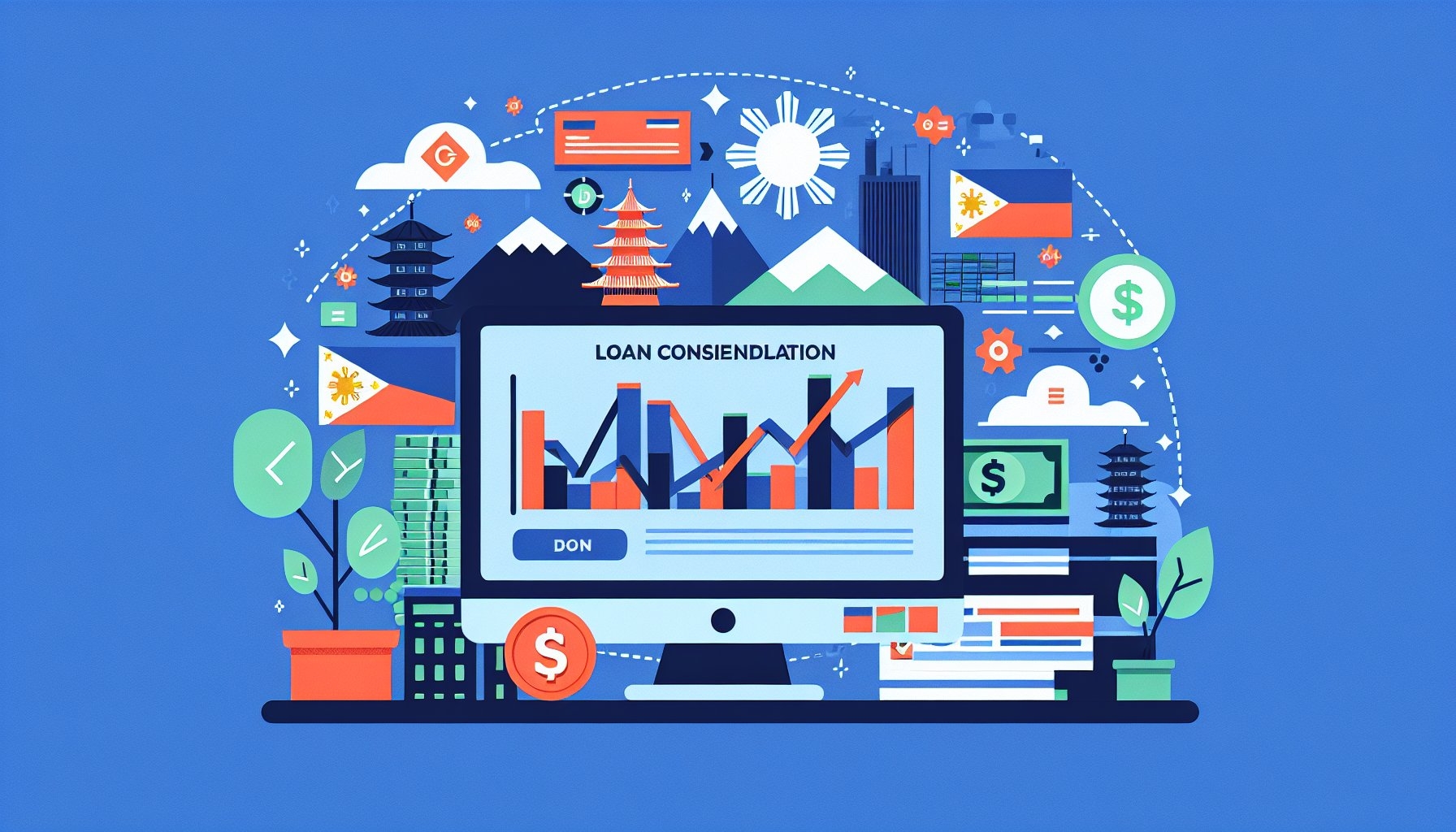
Loan consolidation refers to the process of combining multiple loans into a single loan to simplify payments and potentially lower the interest rate. For many Filipinos facing multiple debts, understanding how to effectively consolidate loans can provide substantial financial relief.
Identify Your Loans
Start by listing all your existing loans, including personal loans, credit card debts, and any other outstanding obligations. Note down the interest rates, monthly payments, and remaining balances. This comprehensive overview will help you assess your financial situation and identify the loans with the highest interest rates, which should be prioritized during consolidation.
Assess Your Credit Score
A good credit score is essential when considering loan consolidation options. In the Philippines, a score above 650 is generally considered good. Banks and lending institutions will evaluate your credit history to determine the interest rates they can offer you. Check your credit report for any discrepancies and monitor your score to ensure it’s in a healthy range before applying for new loans.
Explore Loan Consolidation Options
In the Philippines, there are several avenues for loan consolidation:
1. Bank Loan Consolidation
Philippine banks offer consolidation loans that allow borrowers to combine existing debts into a single loan. Research various banks, as each institution has different terms, interest rates, and eligibility requirements. For example, BDO, BPI, and Union Bank offer competitive rates and flexible repayment terms.
2. Online Lenders
Several online lending platforms in the Philippines specialize in debt consolidation. Websites like Cashalo and Loan Ranger provide quick loan approvals and competitive interest rates. However, it’s essential to read through the terms and conditions carefully.
3. Credit Cooperatives
If you are a member of a credit cooperative, inquire about their loan consolidation programs. These cooperatives often offer lower interest rates compared to traditional banks, benefiting members with better terms.
4. Government Programs
Investigate programs offered by the government and local development agencies aimed at helping individuals alleviate debt burdens. The Department of Trade and Industry (DTI) provides resources that may assist with understanding your options.
Calculate Potential Savings

Before proceeding with loan consolidation, calculate how much you will save in total interest payments in comparison to keeping your current loans. Use online calculators to simulate different scenarios, accounting for potential fees associated with loan consolidation.
Compare Interest Rates and Terms
Once you have identified potential lenders, compare their interest rates, processing fees, and loan terms. Negotiating terms is sometimes possible, especially with competitive lenders. Ensure the total cost of the consolidated loan is lower over its lifespan compared to maintaining multiple loans.
Understand the Fees Involved
Review all associated fees, such as processing fees, origination fees, and prepayment penalties on your existing loans. These costs can add up and affect your overall savings. Clarify with the lender what fees will be required and ensure they fit your budget.
Prepare Required Documentation
Lenders in the Philippines typically ask for several documents, including:
- Valid identification (government-issued ID)
- Proof of income (payslips, tax returns)
- Bank statements
- A listing of existing debts and liabilities
Gathering these documents before applying can expedite the process and demonstrate preparedness to potential lenders.
Create a Realistic Repayment Plan
Once the loan is approved, devise a repayment plan to ensure timely and complete payments. Consider setting up automatic debits from your bank account to avoid missed payments. Additionally, track your progress monthly to stay motivated and assess if further adjustments are necessary.
Stay Disciplined and Avoid New Debt
After consolidating your loans, maintain fiscal discipline. Avoid accumulating new debt by sticking to a budget and utilizing only cash for purchases whenever possible. Building an emergency fund can prevent future financial strain.
Monitor Your Credit Progress
Post-consolidation, keep an eye on your credit score to ensure it improves over time. Responsible management of your new loan will reflect positively on your credit profile. Regularly checking for inaccuracies in your credit report can also help ensure you maintain a good standing.
Seek Professional Advice
If you’re uncertain about the best path forward or how to manage your debts effectively, don’t hesitate to seek help from a financial advisor. Institutions such as the Credit Information Corporation (CIC) in the Philippines can offer guidance tailored to your specific situation.
By following these steps, you can effectively consolidate loans in the Philippines, simplify your financial obligations, and work towards a more manageable and stable financial future.