Understanding Emergency Funds
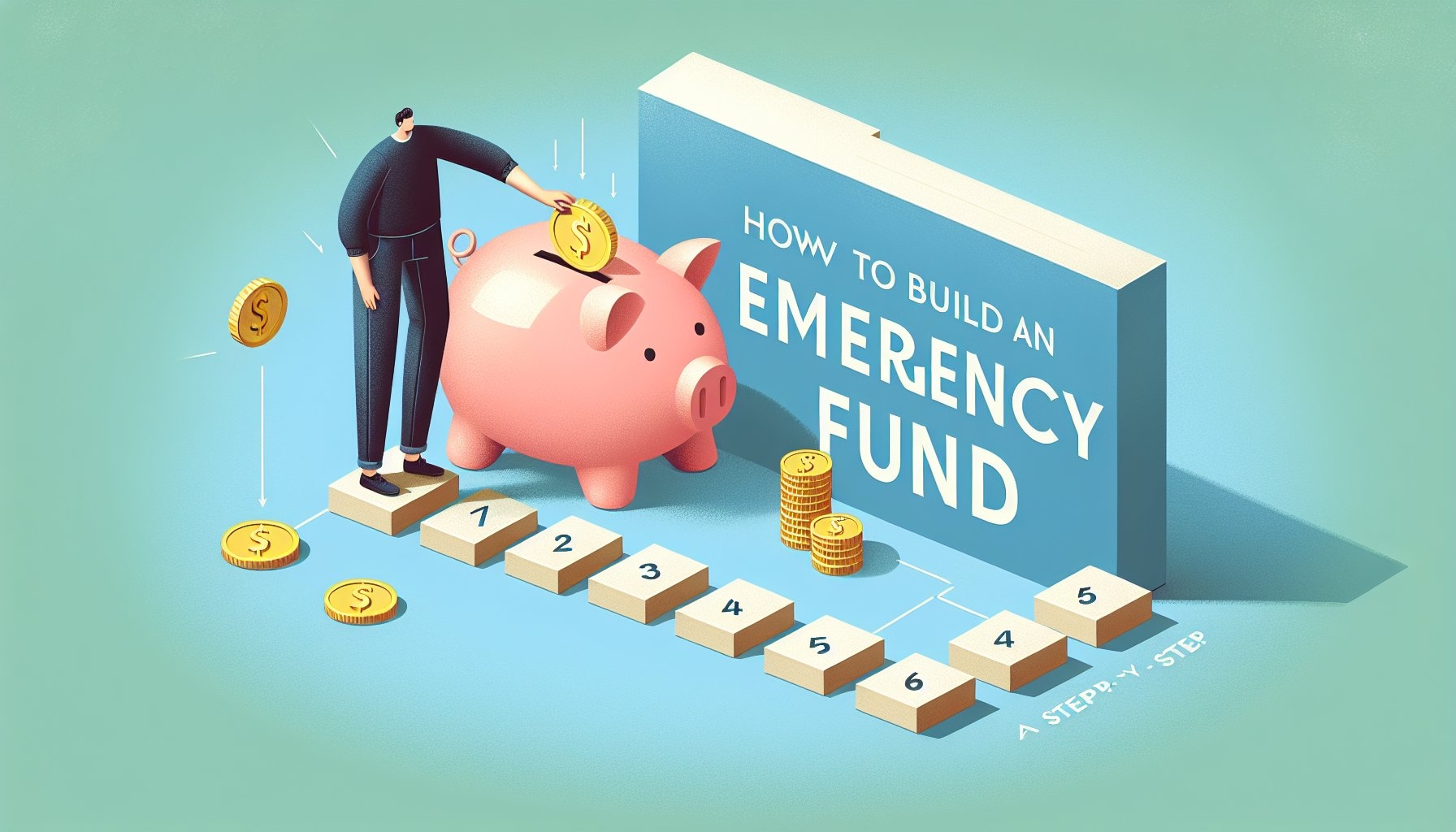
An emergency fund serves as a financial safety net during unexpected situations, such as medical emergencies, job loss, or urgent home repairs. Establishing this fund can prevent you from relying on high-interest credit cards or loans, promoting financial stability.
Step 1: Set Your Goal
Determine how much money you need for your emergency fund. The conventional recommendation is to save three to six months’ worth of living expenses. Calculate your monthly expenses, including housing, utilities, groceries, and insurance, to establish a target amount.
Step 2: Choose the Right Account
Select an account for your emergency fund that offers easy access but discourages frequent withdrawals. High-yield savings accounts, money market accounts, or even certain certificates of deposit (CDs) can be good choices due to their liquidity and interest-earning potential.
Step 3: Create a Budget
Incorporating savings for your emergency fund into your monthly budget is crucial. Assess your income and expenditures and identify areas where you can cut back. Consider reducing entertainment, dining out, or subscription services to allocate funds towards your emergency savings.
Sample Budget Breakdown
- Monthly Income: $4,000
- Fixed Expenses: $2,500 (rent, utilities, insurance)
- Variable Expenses: $800 (groceries, transportation)
- Potential Savings: $700 (discretionary spending)
By adjusting discretionary spending, you can channel this into your emergency fund.
Step 4: Automate Your Savings
Setting up automatic transfers from your checking account to your emergency fund simplifies the saving process. Decide on a fixed amount to transfer monthly or bi-weekly to help stick to your savings plan without thinking about it.
Step 5: Start Small and Build Up
Begin with a manageable amount. Even saving $50 a month can help you establish a habit. Once you’re comfortable, gradually increase the amount as you adjust your budget or increase your income. The key is consistency.
Step 6: Track Your Progress
Monitoring your savings progress keeps you motivated. Use budgeting apps or spreadsheets to visualize your growth. Set milestones, celebrate small achievements, and keep your end goal in sight to encourage yourself to stay the course.
Step 7: Reassess Regularly
Periodically review your finances and adjust your emergency fund goal as needed. Life changes, such as a new job, move, or changes in family size, can impact your financial landscape, necessitating adjustments in savings.
Step 8: Make it a Priority
Treat your emergency fund as a non-negotiable expense. Even when bills seem overwhelming, prioritize your savings to cultivate long-term security.

Step 9: Avoid Temptation
While having an emergency fund is crucial, it serves a specific purpose. Avoid using these funds for non-emergent expenses. Only withdraw in case of unforeseen circumstances like job loss or medical emergencies.
Step 10: Replenish After Use
If you need to withdraw from your emergency fund, make replenishing it a priority. Adjust your budget to ensure you can rebuild your savings as quickly as possible, maintaining your financial safety net.
Additional Tips for Effective Saving
-
Use Windfalls Wisely: Tax refunds, bonuses, or gifts can significantly contribute to your emergency fund. Consider allocating a portion towards your savings to accelerate your progress.
-
Stay Motivated Through Challenges: When obstacles arise, remind yourself of the benefits an emergency fund provides—peace of mind and financial independence.
-
Educate Yourself: Financial literacy plays a crucial role in effective saving. Read books, attend workshops, and follow financial experts to improve your knowledge.
-
Limit Withdrawal Access: While your emergency fund should be easily accessible, consider keeping it in a separate account to avoid the temptation to dip into it for non-emergencies.
-
Review Financial Goals: Alongside building your emergency fund, maintain focus on other financial goals like retirement savings or debt repayment. A balanced approach will foster overall financial health.
Tools and Resources
Utilize budgeting apps such as Mint, YNAB (You Need A Budget), or Personal Capital to help manage your expenses and track your emergency fund progress. These tools provide insights and help ensure you’re on track to meet your goals.
Maintain Financial Flexibility
Creating an emergency fund is about more than just saving money; it’s about building resilience in your financial life. As you work towards your target, consider other dimensions of financial security, such as insurance and investment plans, which can provide added peace of mind.
Establishing an emergency fund is an essential part of sound financial planning. With dedication and strategic planning, you can build a robust safety net that prepares you for life’s unpredictable challenges.