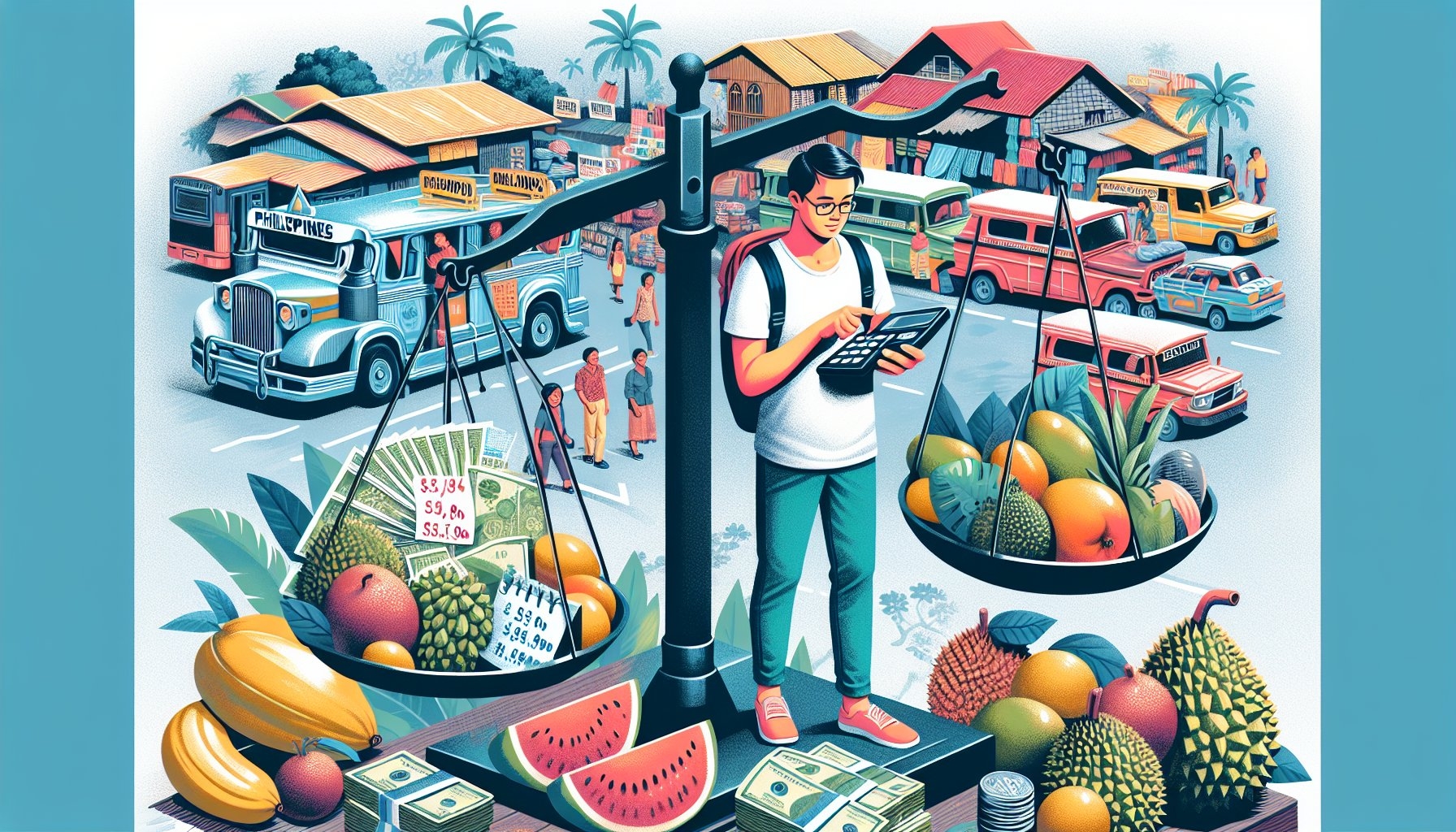
How to Avoid Overspending in the Philippines: Budgeting Tips & Tricks
Navigating the vibrant yet often economically challenging landscape of the Philippines requires a keen understanding of budgeting. Stretching your peso further isn’t just about saving; it’s about financial security and achieving your goals. Here are actionable strategies to avoid overspending and cultivate smarter financial habits in the Philippines.
1. Master the Art of Budgeting (Filipino Style):
Forget rigid, intimidating spreadsheets. Start simple. The “50/30/20” rule can be adapted: Allocate 50% of your income to needs (rent, utilities, transportation, groceries), 30% to wants (entertainment, dining out, hobbies), and 20% to savings and debt repayment. Adjust percentages based on your individual circumstances, but the key is awareness. Track your spending meticulously for at least a month to identify leakage points. Utilize free budgeting apps like Money Manager Expense & Budget or local alternatives like Peso Cost Manager. These apps provide visual representations of your spending habits, making it easier to pinpoint areas where you can cut back.
2. Embrace the “Sari-Sari Store” Mentality:
Think like a Filipino entrepreneur. “Sari-sari stores” are small convenience stores known for selling goods in small, affordable quantities. Apply this principle to your own spending. Instead of buying large quantities of perishable items that might spoil, buy only what you need for a few days. This minimizes waste and prevents impulse purchases driven by bulk discounts. Similarly, consider smaller prepaid loads for your mobile phone instead of expensive monthly plans if your usage is inconsistent.
3. Leverage the Power of “Tindahan Specials” and Discounts:
Filipinos are masters of finding a bargain. Actively seek out “tindahan specials” (store specials) and discounts offered by supermarkets and department stores. Utilize loyalty programs like SM Advantage Card or Robinsons Rewards Card to accumulate points and redeem them for discounts on future purchases. Follow social media pages of your favorite stores to stay informed about upcoming sales and promotions. Don’t be afraid to haggle, especially in markets or independent stores. It’s a cultural norm and can lead to significant savings.
4. Prioritize Public Transportation and “Kambyo”:
Transportation costs can quickly eat into your budget. Embrace public transportation options like jeepneys, buses, and trains whenever possible. Learn the routes and fares to optimize your commute. Consider investing in a Beep card for convenient and discounted fares on trains and some buses in Metro Manila. Furthermore, practice “kambyo” (change) management. Don’t underestimate the power of small change. Save your coins in a jar and deposit them regularly into your savings account. These small amounts can accumulate surprisingly quickly.
5. Cook at Home and Embrace Filipino Cuisine:
Dining out frequently can be a significant drain on your finances. Prioritize cooking at home, especially Filipino dishes. Many Filipino dishes are affordable and easy to prepare using locally sourced ingredients. Plan your meals in advance and create a grocery list to avoid impulse purchases. Consider buying ingredients in bulk from public markets, where prices are generally lower than in supermarkets. Pack your lunch for work or school to avoid expensive and often unhealthy cafeteria options.
6. Separate Needs from Wants – The “Ukay-Ukay” Approach:
Learn to differentiate between essential needs and discretionary wants. Before making a purchase, ask yourself if it’s truly necessary or simply something you desire. Consider exploring “ukay-ukay” (thrift stores) for affordable clothing and household items. Ukay-ukay stores offer a wide range of pre-owned goods at significantly discounted prices. You can often find high-quality items in good condition for a fraction of the cost of buying them new.
7. Build an Emergency Fund (The “Palawan Pawnshop” Alternative):
Unexpected expenses are inevitable. Build an emergency fund to cover unexpected costs like medical bills, car repairs, or job loss. Aim to save at least 3-6 months’ worth of living expenses. This will prevent you from relying on high-interest loans or pawning valuables at places like Palawan Pawnshop (which, while a useful resource, should be a last resort). Automate your savings by setting up a recurring transfer from your checking account to your savings account.
8. Explore Free Entertainment and Activities:
Entertainment doesn’t have to be expensive. Take advantage of free activities like visiting parks, museums on free admission days, attending local festivals, or simply spending time with friends and family. Explore the numerous free events and activities offered in your community. Utilize online resources like blogs and social media groups to discover hidden gems and affordable entertainment options.