Financial Tips for Low Income Earners in the Philippines: Budgeting & Saving
The Philippines, a nation brimming with entrepreneurial spirit and resilience, also faces economic realities that necessitate prudent financial management, especially for low-income earners. Mastering budgeting and saving isn’t just about surviving; it’s about building a foundation for future stability and opportunities. Here are practical strategies tailored for the Filipino context:
1. Embrace the “Kikay Kit” Budgeting Method:
Forget complicated spreadsheets initially. Start with a simple “Kikay Kit” approach. Dedicate an envelope (the “kikay kit”) for each essential expense category: food, transportation, rent/shelter, utilities, and personal care. At the beginning of each pay period, allocate cash to each envelope based on your estimated needs. This tangible approach helps visualize spending and identify areas for reduction. Monitor each envelope daily, noting any overspending. This method fosters awareness, crucial for behavioral change.
2. Prioritize Needs Over Wants (and Define Them Clearly):
Distinguishing between needs and wants is paramount. Needs are essential for survival and productivity (food, shelter, basic clothing, transportation to work). Wants are discretionary items (branded clothing, entertainment, eating out frequently). Be brutally honest with yourself. Can you cook at home instead of eating at a carinderia every day? Can you take public transportation instead of a Grab? Small savings accumulate significantly over time.
3. Track Every Peso Spent (Habit Formation is Key):
Download a free budgeting app (like Money Manager Expense & Budget or Wallet) or use a simple notebook. Record every expense, no matter how small. This provides a clear picture of your spending habits. Analyze the data to identify leaks in your budget and areas where you can cut back. This process reveals surprising expenditures often overlooked.
4. Leverage Filipino Resourcefulness: “Diskarte” in Saving:
Filipinos are renowned for their “diskarte,” their resourcefulness and ability to find creative solutions. Apply this to saving. Look for cheaper alternatives. Buy in bulk when possible (especially for non-perishables). Consider joining a paluwagan (rotating savings club) with trusted friends or family members. This enforces disciplined saving, but choose participants carefully to avoid scams.
5. Reduce Debt Burden: The “Snowball” or “Avalanche” Method:
High-interest debt (credit card debt, payday loans) can cripple your finances. Prioritize paying it down. The “snowball” method involves paying off the smallest debt first for psychological momentum. The “avalanche” method focuses on the highest-interest debt first to minimize long-term costs. Choose the method that best suits your personality and financial situation. Negotiate with creditors for lower interest rates or payment plans.
6. Maximize Government Programs: SSS, PhilHealth, Pag-IBIG:
Ensure you are maximizing the benefits offered by government programs. Contribute regularly to SSS (Social Security System) for retirement, disability, and death benefits. PhilHealth provides affordable healthcare coverage. Pag-IBIG offers affordable housing loans and savings programs. These programs provide a safety net and opportunities for long-term financial security. Understand the contribution requirements and benefit options.
7. Explore Income-Generating Opportunities: “Sideline” is Your Friend:
Supplement your income with a part-time job or a “sideline.” Consider skills you already possess. Can you offer tutoring services, sell homemade food, or provide cleaning services? Explore online opportunities like freelancing or selling items online. Even a small additional income stream can significantly boost your savings.
8. Energy Conservation: Reduce Utility Bills:
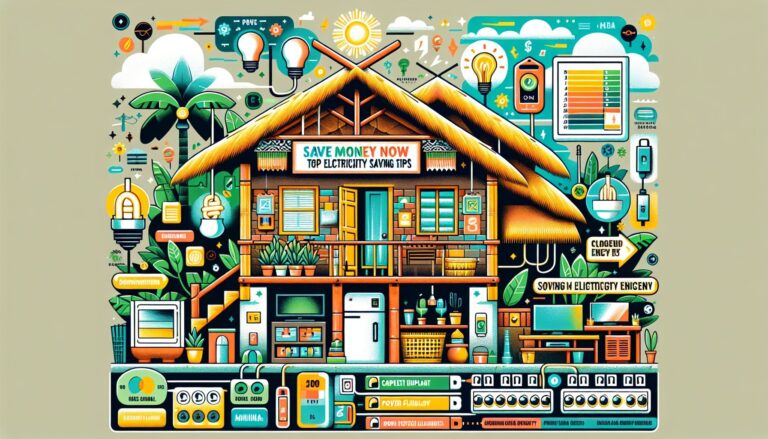
Implement energy-saving measures to lower your electricity bill. Switch to LED bulbs. Unplug appliances when not in use. Wash clothes less frequently. Take shorter showers. These small changes can add up to significant savings over time.
9. Food Planning and Preparation: “Baon” is Best:
Plan your meals for the week and prepare your own baon (packed lunch) instead of buying food outside. This saves money and allows you to control the quality and nutritional value of your food. Cook in bulk and freeze portions for later use.
10. Continuously Educate Yourself: Financial Literacy is Power:
Attend free financial literacy seminars offered by NGOs or government agencies. Read books and articles on personal finance. Learn about investing and saving options. Knowledge is power, and financial literacy empowers you to make informed decisions and improve your financial well-being.