Financial Literacy: Why It’s Crucial for Your Future
Understanding the fundamentals of personal finance is no longer a luxury; it’s an essential life skill, vital for navigating the complexities of the modern world and securing your future well-being. Financial literacy empowers you to make informed decisions regarding your money, leading to greater financial stability, reduced stress, and the ability to achieve your long-term goals.
Budgeting: The Foundation of Financial Control
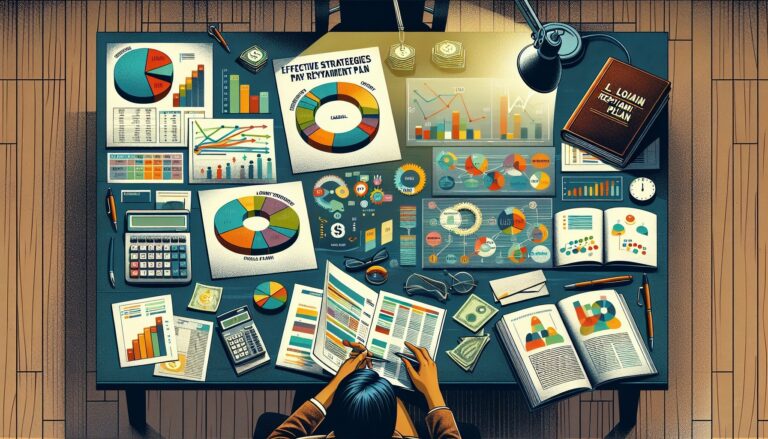
Budgeting is the cornerstone of financial literacy. It involves tracking your income and expenses to understand where your money is going. Creating a budget provides a clear picture of your financial situation, allowing you to identify areas where you can cut back on spending and allocate resources more effectively. Numerous budgeting methods exist, from simple spreadsheets to sophisticated apps like Mint or YNAB (You Need a Budget). The key is to find a system that works for you and commit to regularly updating it. A well-structured budget helps you prioritize needs over wants, avoid unnecessary debt, and save for future goals.
Debt Management: Avoiding the Trap
Debt can be a powerful tool when used responsibly, but it can quickly become a burden if not managed carefully. Understanding different types of debt, such as credit card debt, student loans, and mortgages, is crucial. High-interest debt, like credit card debt, should be prioritized for repayment. Strategies like the debt snowball method (paying off the smallest debt first) or the debt avalanche method (paying off the highest interest debt first) can be effective. Avoiding unnecessary debt, negotiating lower interest rates, and consolidating debt are all valuable skills for managing your financial obligations effectively.
Saving and Investing: Building Wealth for the Future
Saving and investing are essential for long-term financial security. Saving involves setting aside a portion of your income regularly, while investing involves using those savings to purchase assets that have the potential to grow in value over time. Understanding different investment options, such as stocks, bonds, mutual funds, and real estate, is crucial. Risk tolerance plays a significant role in investment decisions. A younger individual with a longer time horizon may be comfortable with higher-risk investments, while someone closer to retirement may prefer lower-risk options. Diversification, spreading your investments across different asset classes, is a key strategy for mitigating risk.
Understanding Credit Scores: Your Financial Reputation
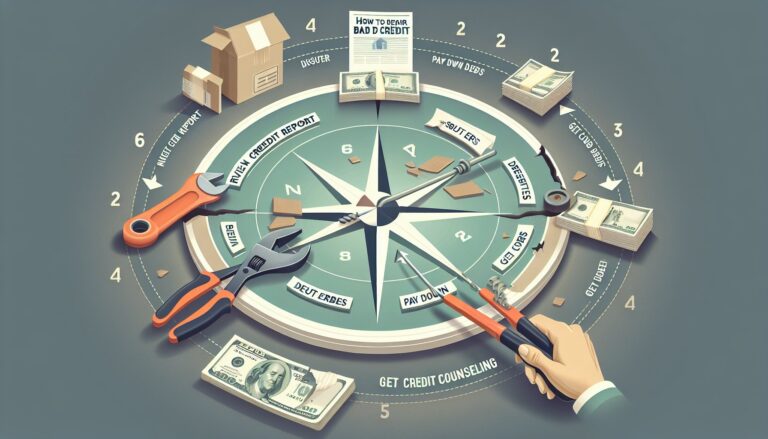
Your credit score is a numerical representation of your creditworthiness, based on your credit history. It plays a significant role in many aspects of your life, from obtaining loans and credit cards to renting an apartment and even getting a job. Understanding the factors that influence your credit score, such as payment history, credit utilization, and length of credit history, is essential. Regularly checking your credit report for errors is crucial. Maintaining a good credit score can save you thousands of dollars in interest payments over your lifetime and open up a wider range of financial opportunities.
Retirement Planning: Securing Your Golden Years
Retirement planning is a critical aspect of financial literacy that often gets overlooked. Starting early, even with small contributions, can make a significant difference over time due to the power of compounding. Understanding different retirement savings vehicles, such as 401(k)s, IRAs, and Roth IRAs, is crucial. Determining your retirement needs and developing a plan to meet those needs is essential for ensuring a comfortable retirement. Consulting with a financial advisor can be beneficial in developing a personalized retirement plan.
Insurance: Protecting Yourself from Financial Risk
Insurance is a crucial component of financial planning, providing protection against unexpected events that could lead to significant financial losses. Understanding different types of insurance, such as health insurance, life insurance, auto insurance, and homeowner’s insurance, is essential. Choosing the right insurance policies with adequate coverage can protect you and your family from financial ruin in the event of an accident, illness, or other unforeseen circumstances.
Financial Literacy Education: Resources and Opportunities
Numerous resources are available to help you improve your financial literacy. Libraries, community centers, and online platforms offer workshops, seminars, and educational materials on various financial topics. Websites like Investopedia, NerdWallet, and The Balance provide valuable information and tools for managing your finances. Taking advantage of these resources can empower you to make informed financial decisions and achieve your financial goals. Cultivating a lifelong commitment to learning about personal finance is essential for navigating the ever-changing financial landscape and securing your future well-being.