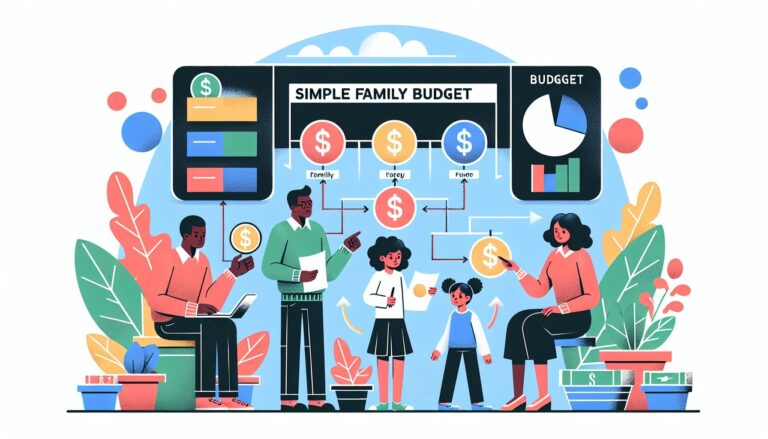
Essential Budgeting Tips for Low-Income Households
1. Understand Your Income
The first step in effective budgeting is to have a clear understanding of all your income sources. This includes wages, government benefits, and any side hustles. Ensure you calculate your income on a monthly basis and consider the average of your income over several months if it fluctuates. This gives you a more stable view of what you can expect to work with.
2. Track Your Expenses
Identifying where your money goes is essential. Start logging your expenses daily or weekly using tools like budgeting apps or a simple spreadsheet. Categorize these expenses into fixed (rent, utilities) and variable (groceries, entertainment). This will help you pinpoint areas to cut back on.
3. Create a Realistic Budget
With your income and expenses outlined, it’s time to create a budget. Use the 50/30/20 rule as a guide: allocate 50% of your income to needs, 30% to wants, and 20% to savings. For low-income households, tweaking these percentages may be necessary to fit your unique situation. A successful budget should be realistic and flexible to accommodate emergencies.
4. Prioritize Necessities
Focus on essential expenses such as housing, food, transportation, and healthcare. Make sure that your budget prioritizes these necessities before allocating funds towards discretionary spending. This ensures that basic needs are met and reduces future financial stress.
5. Reduce Housing Costs
Housing can consume a large part of your budget. Look for ways to reduce these costs, such as negotiating your rent or considering options like shared housing or moving to a more affordable area. Explore programs offering rental assistance or subsidies applicable in your region.
6. Leverage Community Resources
Many communities offer resources for low-income families, including food banks, financial counseling, and assistance programs. Take advantage of local charities, churches, and government organizations that can help reduce your expenses, from food to utilities.
7. Shop Smart
When it comes to groceries, shopping smart can significantly lower your expenses. Plan meals for the week in advance and create a shopping list to avoid impulse purchases. Utilize store circulars, coupons, and discounts to stretch your budget further. Consider buying store brands which are often cheaper without sacrificing quality.
8. Limit Eating Out
Eating out can quickly drain your budget. Try to limit dining out to special occasions, and when you do, take advantage of happy hour deals or discount coupons. Cooking at home not only saves money but also allows you to control ingredients and servings.
9. Automate Savings
Even on a tight budget, automatically setting aside a small portion of your income for savings can establish a reserve for emergencies. Start with a modest amount, even as low as $5 a week, and increase it gradually as your circumstances improve.
10. Cut Unnecessary Subscriptions
Take inventory of all your subscriptions and memberships; from streaming services to gym memberships. Evaluate whether you truly utilize these services and consider canceling those that are non-essential. Look for free or alternative activities to replace paid services.
11. Pay Bills on Time
Late payments can lead to fees and increased interest rates, further straining your budget. Set reminders or automate payments for regular bills to ensure that they are paid on time. Many service providers offer discounts for paying via automatic payment systems.
12. Use Public Transportation
If feasible, switch to public transportation instead of driving. This can save costs related to gas, parking, and maintenance. Many cities offer discounts for low-income households, so inquire about any available programs.
13. Take Advantage of Discounts

Research and utilize discounts tailored for low-income individuals and families. Various retailers offer promotions, while certain non-profits provide discounts on healthcare and education. Always ask about student, senior, or low-income discounts when shopping or signing up for services.
14. Build an Emergency Fund
Aim to create an emergency fund even if it starts small. Even a few dollars set aside monthly can accumulate over time. This fund acts as a buffer, reducing the need to rely on credit cards or high-interest loans when unexpected expenses arise.
15. Use Cash for Discretionary Spending
Cashing out a set amount of money for discretionary spending can help manage expenses more effectively. Once the cash is gone, resist the urge to dip into savings or use cards. This technique promotes greater awareness of how money is spent.
16. Avoid High-Interest Debt
Prioritize paying off high-interest debts such as payday loans and credit cards. The interest can compound quickly, making it harder to get out of debt. Consider consolidation options or speak with a credit counselor for assistance with managing debt more effectively.
17. Learn Basic Financial Literacy
Improving your financial literacy can significantly enhance your budgeting skills. Take advantage of free online resources, community workshops, and books on personal finance. The more you understand about managing money, the better choices you can make.
18. Use Budgeting Apps
In today’s digital world, many budgeting apps can simplify tracking your finances. Free or low-cost options are available that help categorize expenses, set budgets, and remind you of bills due. Look for apps that suit your preferences and help you stay compliant with your budget.
19. Seek Employment Opportunities
If you’re struggling with income, consider seeking additional employment opportunities. Part-time or freelance work can provide necessary financial relief. Explore options based on your skillset and interests, or consider gigs that offer flexible hours.
20. Engage with Family and Friends
Don’t hesitate to seek advice or assistance from family and friends. They may have valuable tips based on their experiences. Additionally, engaging in group purchases (like bulk buying) or sharing services (like carpooling) can assist in cutting costs.
21. Monitor Your Progress
Regularly review and assess your budget. Tracking your progress in relation to your goals—be it saving, paying off debt, or reducing spending—helps maintain motivation. Performing monthly check-ins can help identify areas needing adjustment for improved financial health.
22. Embrace Minimalism
Consider adopting a minimalist lifestyle, which promotes valuing experiences over possessions. This can reduce consumerism-related spending, allowing for a more intentional approach to finances. By decluttering your life, you may find more room—both physically and financially—for what truly matters.
23. Set Financial Goals
Establish short-term and long-term financial goals to guide your budget effectively. Short-term goals might include saving for a vacation or paying off a small debt, while long-term goals could involve saving for a home or retirement. Clear objectives can keep you focused and accountable.
24. Stay Disciplined
Sticking to a budget demands discipline and resilience. It’s easy to stray from the plan during challenging times, but consistency fosters habits that lead to financial stability. Remind yourself of the bigger picture when tempted to overspend or veer off course.
25. Be Kind to Yourself
Financial challenges can be overwhelming. Practice self-compassion and recognize that mistakes are part of the learning process. Celebrate small wins along the way and view each step towards better budgeting as a positive direction toward financial stability.
By implementing these essential budgeting tips, low-income households can gain better control over their finances and work towards achieving greater financial stability.