Envelope Budgeting Philippines: A Beginner’s Guide to Financial Freedom
Envelope budgeting, a time-tested method of cash management, is gaining traction in the Philippines as Filipinos seek greater control over their finances and a path towards financial freedom. It’s a simple yet powerful system that helps you visualize your spending, stick to your budget, and ultimately, achieve your financial goals. Here’s a comprehensive guide for beginners on how to implement envelope budgeting effectively in the Philippine context.
Understanding the Core Principles
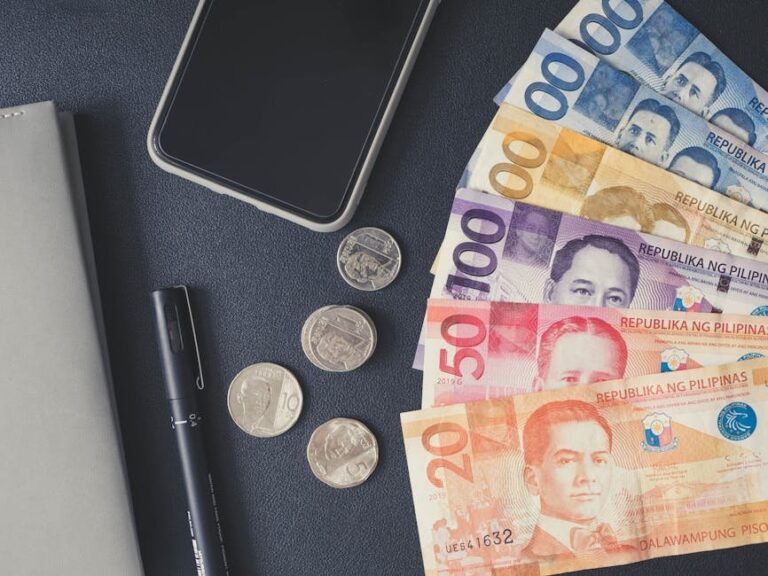
The foundation of envelope budgeting lies in allocating physical cash to different spending categories. Instead of relying solely on debit or credit cards, you withdraw cash based on your pre-determined budget and place it into labeled envelopes. When you need to spend in a particular category, you take the cash directly from that envelope. Once the envelope is empty, you’ve reached your spending limit for that period.
Why Envelope Budgeting Works in the Philippines
Several factors make envelope budgeting particularly relevant and effective for Filipinos:
- Cash-Based Culture: While digital payments are growing, the Philippines remains largely a cash-based society. Many businesses, especially smaller establishments and public transportation, prefer or only accept cash. Envelope budgeting aligns seamlessly with this reality.
- Increased Awareness of Spending: Physically handling cash makes you more conscious of each transaction. You’re less likely to impulse buy or overspend when you see your cash dwindling.
- Debt Management: Envelope budgeting can be a crucial tool for managing and paying off debt. By allocating specific cash envelopes for debt repayment, you can track your progress and stay motivated.
- Financial Literacy: It’s an excellent way to teach financial literacy to family members, especially children. They can visually understand the concept of budgeting, saving, and spending responsibly.
- Budget Customization: The system is highly customizable to your individual needs and income. You can create envelopes for any category that’s relevant to your lifestyle and financial goals.
Setting Up Your Envelope Budget: A Step-by-Step Guide
- Track Your Expenses: Before creating your envelopes, you need to understand where your money is currently going. Track your expenses for at least a month. Use a notebook, spreadsheet, or budgeting app to record every purchase. This data will form the basis of your budget.
- Create Your Budget Categories: Based on your tracked expenses, identify your main spending categories. Common categories include:
- Rent/Mortgage: Your monthly housing cost.
- Utilities: Electricity, water, internet, cable.
- Transportation: Jeepney fares, bus tickets, gas for your car, toll fees.
- Groceries: Food and household supplies.
- Eating Out: Restaurants, cafes, street food.
- Personal Care: Haircuts, toiletries, salon services.
- Entertainment: Movies, concerts, recreational activities.
- Debt Repayment: Payments for credit cards, loans.
- Savings: Emergency fund, retirement, specific goals (e.g., travel, education).
- Miscellaneous: Unexpected expenses, gifts, donations.
- Allocate Amounts to Each Category: Decide how much you can realistically allocate to each envelope based on your income and financial goals. Prioritize essential expenses and debt repayment. Be honest with yourself about your spending habits and adjust accordingly.
- Label Your Envelopes: Clearly label each envelope with its corresponding category. Consider using different colored envelopes or markers for easy identification.
- Withdraw Cash and Fill Your Envelopes: At the beginning of each month (or pay period), withdraw the allocated cash for each category and place it into the corresponding envelope.
- Track Your Spending: As you spend from each envelope, record the amount spent and the date. This will help you monitor your progress and identify areas where you might be overspending.
- Adjust as Needed: Your budget is not set in stone. Review your envelopes regularly and adjust the allocations as needed. Life circumstances change, and your budget should reflect those changes.
Tips for Success in the Philippines
- Start Small: Don’t try to implement the entire system overnight. Start with a few key categories and gradually add more as you become comfortable.
- Be Realistic: Set achievable budget goals. Don’t try to drastically cut back on all expenses at once.
- Find Alternatives for Digital Payments: If you frequently use digital payment platforms like GCash or PayMaya, consider setting up a separate “digital wallet” envelope and transferring the allocated amount for online transactions.
- Address Irregular Income: If you have irregular income, calculate your average monthly income and budget based on that amount. Prioritize building an emergency fund to cover months with lower income.
- Embrace Flexibility: Life happens. Don’t get discouraged if you occasionally overspend in one category. Learn from your mistakes and adjust your budget accordingly.
- Consider Security: Be mindful of the risks associated with carrying large amounts of cash. Keep your envelopes in a safe place and avoid displaying your cash in public.
- Utilize Budgeting Tools: While envelope budgeting is primarily a cash-based system, you can still use budgeting apps or spreadsheets to track your overall financial progress and manage your envelopes more efficiently.
Envelope budgeting offers a practical and accessible approach to financial management in the Philippines. By embracing its core principles and adapting it to your individual needs, you can gain control of your spending, achieve your financial goals, and pave the way towards financial freedom.