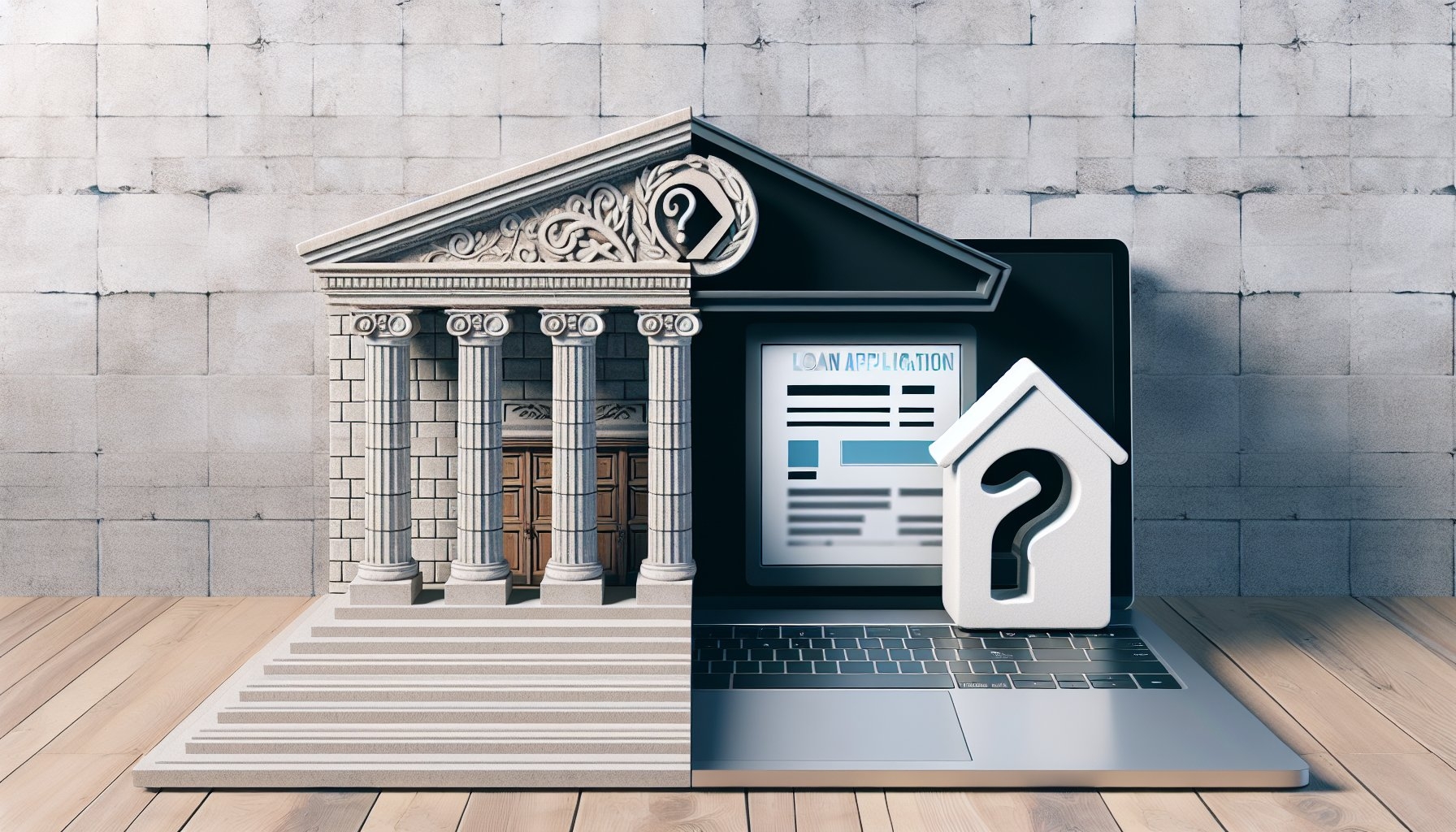
Bank Loan vs. Online Loan: Which is Right for You?
Navigating the lending landscape can feel like traversing a complex maze. Traditional bank loans and the burgeoning world of online loans offer distinct pathways to financial assistance, each with its own set of advantages and disadvantages. Understanding these nuances is crucial for making an informed decision that aligns with your specific needs and circumstances.
Interest Rates and Fees: A Critical Comparison
Interest rates are arguably the most significant factor in determining the overall cost of a loan. Bank loans, particularly those secured by collateral like a home or car, often boast lower interest rates. This is due to the reduced risk perceived by the bank, as they have an asset to seize in case of default. However, qualifying for these lower rates typically requires an excellent credit score and a strong financial history.
Online lenders, on the other hand, often cater to a broader range of credit profiles, including those with less-than-perfect scores. This accessibility comes at a price: higher interest rates. These rates reflect the increased risk assumed by the lender. Beyond the interest rate, it’s vital to scrutinize the fine print for potential fees. Banks may charge origination fees, prepayment penalties, or late payment fees. Online lenders can also levy similar charges, and some may even impose application fees. Thoroughly comparing the Annual Percentage Rate (APR), which includes both the interest rate and fees, provides a more accurate picture of the loan’s overall cost.
Application Process: Speed and Convenience
The application process is another key differentiator. Bank loans traditionally involve a more rigorous and time-consuming process. Applicants typically need to gather extensive documentation, including bank statements, tax returns, and proof of employment. In-person meetings with loan officers may also be required. This thoroughness, while potentially cumbersome, allows banks to conduct a more in-depth assessment of the borrower’s financial stability.
Online loans, in contrast, offer a streamlined and often entirely digital application process. Borrowers can typically apply from the comfort of their own homes, submitting documents electronically. Online lenders often utilize automated underwriting systems, enabling faster approval decisions. Funds can sometimes be deposited into the borrower’s account within 24-48 hours. This speed and convenience make online loans an attractive option for those facing urgent financial needs.
Credit Score Requirements: Accessibility Considerations
Credit score is a major determinant in loan approval. Banks generally have stricter credit score requirements than online lenders. A good to excellent credit score (typically 670 or higher) is often necessary to qualify for a bank loan with favorable terms. This reflects the bank’s focus on minimizing risk and lending to borrowers with a proven track record of responsible credit management.
Online lenders, recognizing the unmet needs of individuals with less-than-perfect credit, often offer loans to borrowers with fair or even poor credit scores. While these loans come with higher interest rates, they can provide a valuable lifeline for those who have been turned down by traditional banks. However, borrowers with low credit scores should exercise caution and carefully evaluate the terms of these loans to avoid falling into a cycle of debt.
Loan Amounts and Repayment Terms: Tailoring to Your Needs
The loan amount and repayment terms available can also vary significantly between banks and online lenders. Banks often offer larger loan amounts, particularly for secured loans like mortgages or auto loans. They may also offer more flexible repayment terms, allowing borrowers to choose a repayment schedule that aligns with their budget.
Online lenders typically offer smaller loan amounts, often ranging from a few hundred to several thousand dollars. Repayment terms may be shorter and less flexible than those offered by banks. However, some online lenders specialize in specific types of loans, such as personal loans for debt consolidation or small business loans. It’s crucial to compare the loan amounts and repayment terms offered by different lenders to ensure they meet your specific financial needs.
Customer Service and Support: Navigating the Process
Customer service and support are important considerations, especially for those unfamiliar with the loan process. Banks typically offer in-person customer service through branch locations, providing borrowers with the opportunity to speak directly with loan officers. This can be particularly helpful for those who prefer a more personalized experience.
Online lenders primarily offer customer service through online chat, email, or phone. While this can be convenient for some, it may lack the personal touch of in-person interactions. It’s important to research the lender’s reputation for customer service and read reviews from other borrowers before applying for a loan. A responsive and helpful customer service team can make a significant difference in navigating the loan process smoothly.