Affordable Living Philippines: Your Guide to a Budget-Friendly Lifestyle
The Philippines, with its stunning landscapes and warm hospitality, beckons many seeking a lower cost of living. While some areas can be pricey, adopting a budget-friendly lifestyle is entirely achievable. This guide provides actionable strategies to navigate the Philippine landscape without breaking the bank.
Housing: Choosing the Right Location and Accommodation
The biggest expense is often housing. Metro Manila, while offering abundant opportunities, commands high rental prices. Consider exploring provinces like Cebu, Davao, Iloilo, or even smaller cities within Luzon, Visayas, and Mindanao. These areas offer a significantly lower cost of living while still providing access to essential amenities.
Explore different housing options. Apartments (condominiums) are common, but houses for rent can be more affordable, especially in less urbanized areas. Consider shared housing or co-living spaces to further reduce your rental costs. Negotiate rental terms; long-term leases often come with discounts. Look for properties outside the central business districts; transportation infrastructure is generally good, making commuting viable.
When searching for housing, utilize online platforms like Lamudi, Property24, and Facebook Marketplace. Engage with local real estate agents to uncover hidden gems not readily available online. Don’t be afraid to haggle, especially if the property has been vacant for some time.
Food: Embracing Local Cuisine and Smart Grocery Shopping
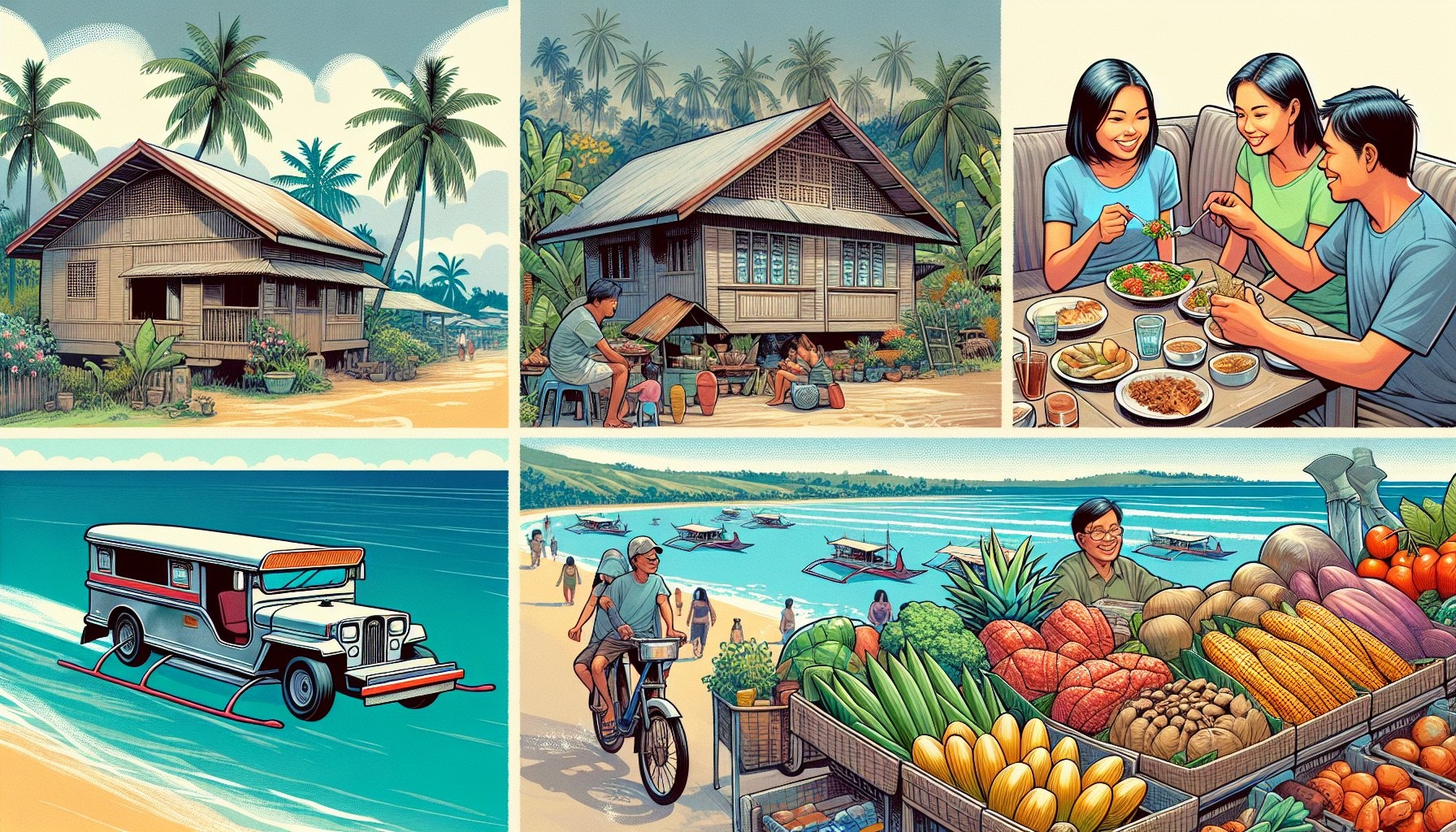
Filipino cuisine is diverse and delicious, and often incredibly affordable. Embrace local eateries (carinderias) and street food stalls. A full meal can cost as little as PHP 50-100. Learn to cook Filipino dishes at home; ingredients are readily available and budget-friendly.
Grocery shopping requires strategic planning. Shop at local markets (palengkes) for fresh produce, meat, and seafood. Prices are significantly lower than in supermarkets. Visit supermarkets during off-peak hours to avoid crowds and potentially find discounted items. Compare prices between different brands and opt for local brands whenever possible.
Plan your meals in advance to avoid impulse purchases and food waste. Buy in bulk when appropriate, especially for non-perishable items. Consider growing your own vegetables and herbs, even in a small container garden. This can significantly reduce your grocery bill and provide fresh, healthy ingredients.
Transportation: Navigating Public Transport and Minimizing Costs
Metro Manila has a comprehensive public transportation system, including buses, trains (LRT/MRT), jeepneys, and tricycles. Jeepneys are the most iconic and often the cheapest mode of transportation. Learn the routes and fares to navigate the city efficiently.
Consider purchasing a reloadable transportation card (Beep card) for convenient and cashless travel on trains and some buses. Explore cycling or walking for shorter distances, especially in pedestrian-friendly areas.
If you need to use ride-hailing services like Grab, compare prices before booking. Avoid booking during peak hours when surge pricing is in effect. Carpooling is another option to share transportation costs.
For intercity travel, buses and ferries are generally more affordable than flights. Book in advance to secure the best fares. Consider overnight buses to save on accommodation costs.
Utilities: Conserving Energy and Water
Utilities can be a significant expense. Conserve energy by using energy-efficient appliances and turning off lights and electronics when not in use. Utilize natural light whenever possible.
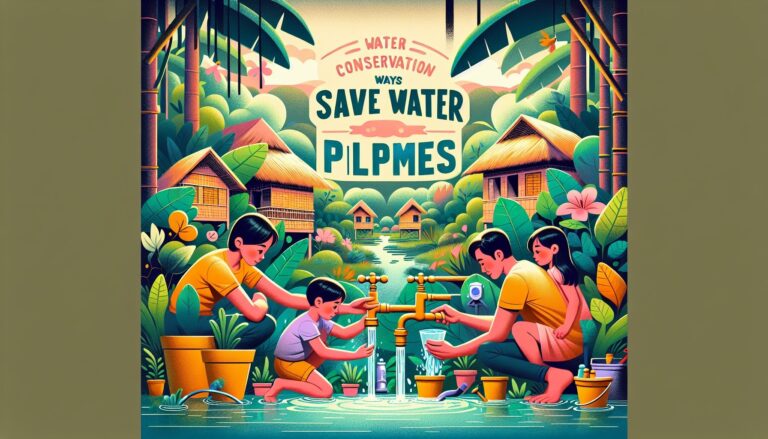
Take shorter showers and fix any leaks promptly to conserve water. Consider installing a low-flow showerhead and toilet. Collect rainwater for watering plants or cleaning.
Compare electricity providers and choose the plan that best suits your needs. Many providers offer prepaid electricity options, allowing you to better manage your consumption.
Entertainment and Leisure: Enjoying Free and Affordable Activities
The Philippines offers a wealth of free and affordable entertainment options. Explore beaches, parks, and historical sites. Many museums offer discounted rates for students and seniors.
Take advantage of free events and festivals. Attend local concerts and cultural performances. Learn a new skill or hobby through free online courses or workshops.
Organize potlucks and movie nights with friends instead of dining out. Explore hiking trails and nature reserves. Enjoy picnics in parks.
Healthcare: Accessing Affordable Medical Services
The Philippines has a public healthcare system (PhilHealth) that provides subsidized medical services. Enroll in PhilHealth to access affordable healthcare.
Consider purchasing a private health insurance plan for more comprehensive coverage. Compare different plans and choose the one that best suits your needs and budget.
Utilize public hospitals and clinics for routine checkups and minor illnesses. These facilities offer significantly lower consultation fees than private hospitals.
Communication: Staying Connected on a Budget
Mobile data is essential for staying connected. Compare different mobile data plans and choose the one that offers the best value for your money.
Utilize free Wi-Fi hotspots whenever possible. Many cafes and restaurants offer free Wi-Fi to customers.
Make use of free messaging apps like Messenger, WhatsApp, and Viber for communication. These apps allow you to make calls and send messages over the internet.
Personal Finance: Budgeting and Saving Strategies
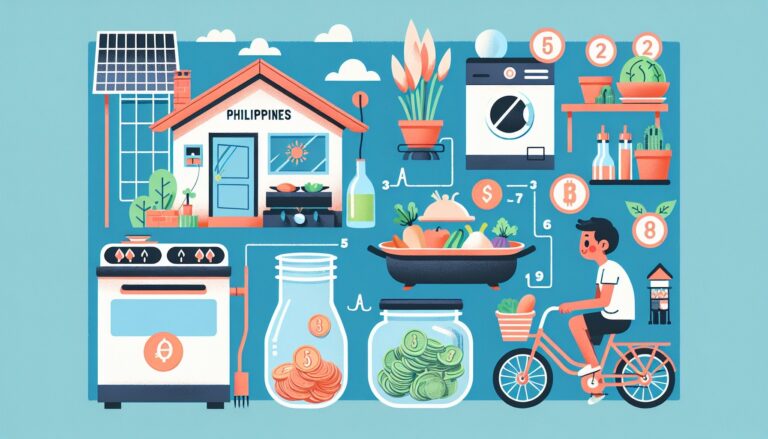
Create a budget and track your expenses. Identify areas where you can cut back on spending.
Set financial goals and create a savings plan. Automate your savings to ensure you consistently save money.
Avoid unnecessary debt. Pay off your credit card balances in full each month.
Look for discounts and deals on goods and services. Utilize coupons and loyalty programs.
By implementing these strategies, you can significantly reduce your cost of living in the Philippines and enjoy a comfortable and fulfilling lifestyle on a budget. Remember that flexibility and adaptability are key to thriving in a new environment. Embrace the local culture, learn the language, and connect with the community to make the Philippines your affordable and welcoming home.