10 Easy Ways to Save Money Monthly in the Philippines
1. Budget Like a Boss: The 50/30/20 Rule
Mastering your finances starts with a solid budget. The 50/30/20 rule is a simple yet effective method. Allocate 50% of your income to necessities like rent, utilities, food, and transportation. Dedicate 30% to wants – entertainment, dining out, hobbies, and non-essential shopping. The remaining 20% goes towards savings and debt repayment. Track your spending religiously, using apps like Money Manager Expense & Budget or good old-fashioned spreadsheets. Review your budget monthly and adjust as needed. Sticking to this framework provides a clear roadmap for your money, highlighting areas where you can cut back.
2. Power Up Your Savings Account: Automate Your Savings
Procrastination is the enemy of savings. Automate your savings by setting up recurring transfers from your checking account to your savings account. Most banks in the Philippines, like BDO, BPI, and Metrobank, offer this service. Even small, consistent transfers add up over time. Consider setting up multiple savings accounts – one for emergencies, one for travel, and one for long-term goals like retirement. Seeing your money grow automatically is incredibly motivating.
3. Meal Prep Magic: Cook at Home More Often
Eating out is a significant drain on your wallet. Embrace the art of meal prepping. Plan your meals for the week, buy groceries in bulk, and dedicate a few hours on the weekend to cooking. Not only is it cheaper, but it’s also healthier. Invest in reusable containers and learn some simple, budget-friendly recipes. Filipino favorites like adobo, sinigang, and tinola can be made in large batches and enjoyed throughout the week. Bring your own lunch to work and resist the temptation of ordering food deliveries.
4. Transportation Tactics: Optimize Your Commute
Commuting in the Philippines can be costly. Explore alternative transportation options. Consider carpooling with colleagues, biking if you live close to work, or taking advantage of public transportation like the MRT or LRT. If you drive, plan your routes to avoid traffic congestion and save on fuel. Look for fuel-efficient vehicles if you’re planning to buy a car. Research ride-sharing apps like Grab and Angkas for potential savings compared to taxis.
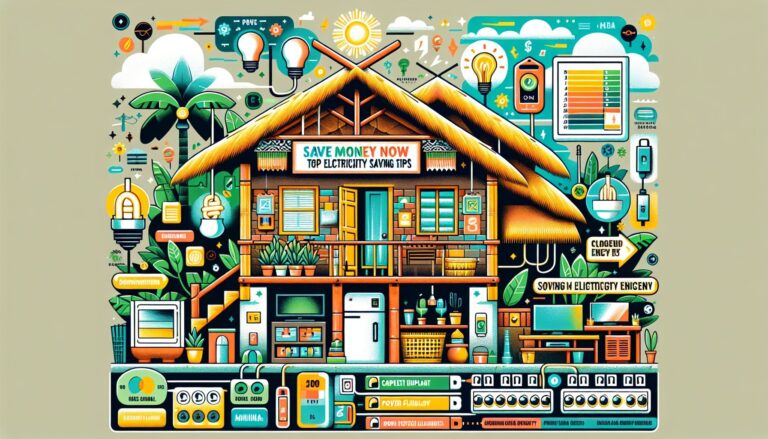
5. Energy Efficiency: Cut Down on Utility Bills
Reduce your electricity and water consumption. Turn off lights and appliances when not in use. Switch to energy-efficient LED bulbs. Unplug chargers when they’re not charging your devices. Take shorter showers and fix any leaky faucets. Consider investing in energy-efficient appliances. Wash clothes in cold water. These small changes can significantly lower your monthly utility bills.
6. Negotiate and Compare: Shop Around for Deals
Don’t settle for the first price you see. Compare prices at different stores and online retailers before making a purchase. Negotiate prices, especially for larger items like appliances or furniture. Utilize online price comparison websites and apps. Take advantage of sales, discounts, and promotions. Sign up for loyalty programs to earn rewards and exclusive deals.
7. Ditch the Unnecessary: Evaluate Subscriptions and Memberships
Review your subscriptions and memberships. Are you really using that gym membership or streaming service? Cancel any subscriptions that you don’t use regularly. Look for free alternatives, such as library books instead of buying new ones, or free online workout videos instead of a gym membership.
8. Embrace the Secondhand Market: Buy and Sell Pre-loved Items
Consider buying secondhand items, especially for clothes, furniture, and electronics. Websites like Carousell and Facebook Marketplace are great platforms for finding deals. Declutter your home and sell items that you no longer need. This not only saves you money but also helps you declutter your living space.
9. Free Entertainment: Explore Free Activities and Events
Entertainment doesn’t have to be expensive. Take advantage of free activities and events in your community. Visit parks, museums, and art galleries on free admission days. Attend free concerts and festivals. Organize potlucks or game nights with friends instead of going out to restaurants or bars.
10. Debt Management: Prioritize Debt Repayment
High-interest debt can quickly eat into your savings. Prioritize paying off your debts, especially credit card debt. Consider consolidating your debts or transferring balances to a lower interest rate card. Make extra payments whenever possible to reduce the principal balance and save on interest charges. Develop a debt repayment plan and stick to it diligently.